How can we decolonise our food?
We turned a question into a journey…
Instead of discussing it in a room, we went to live it.
*all photos are by Nadia Barakat @nadosjpg
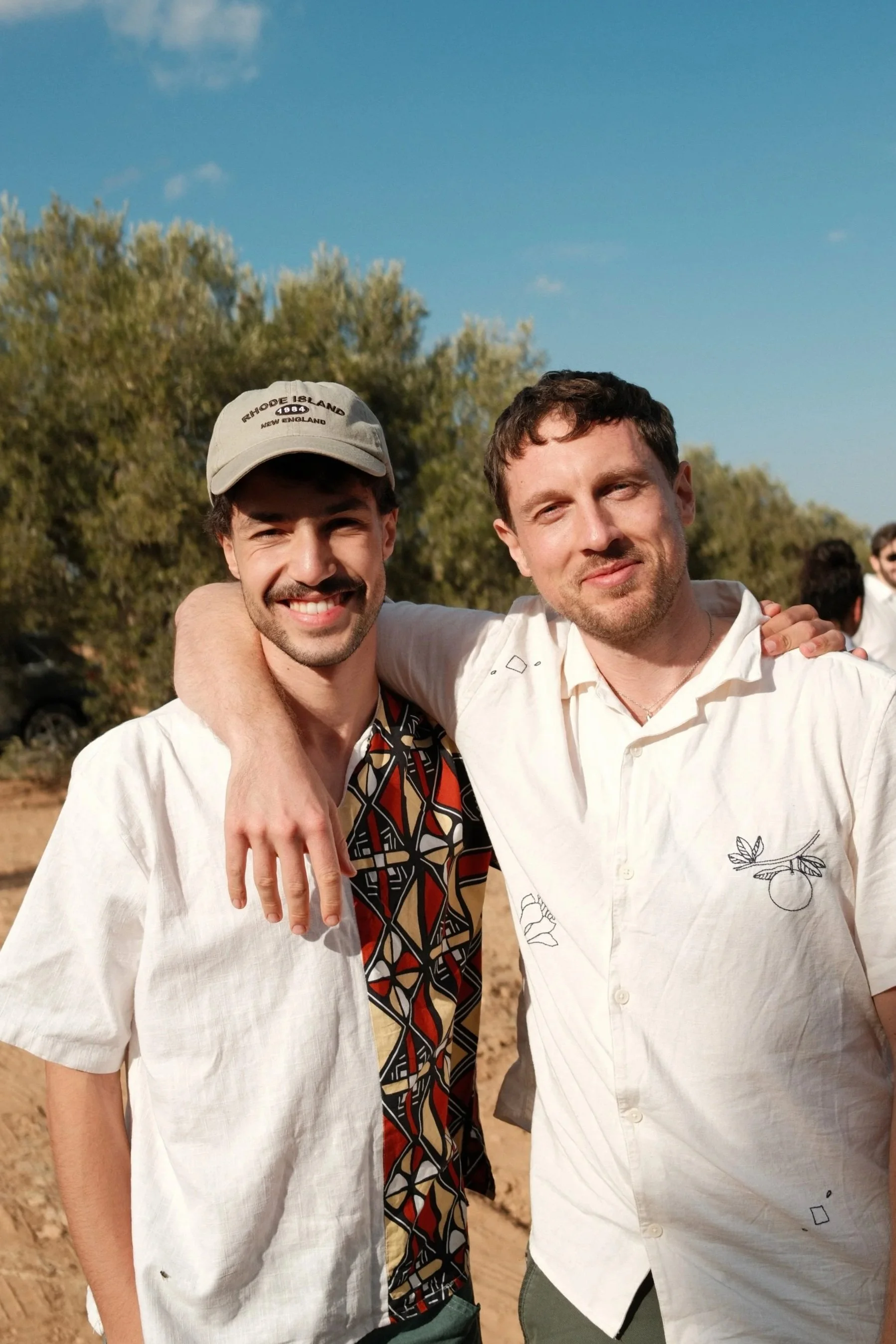
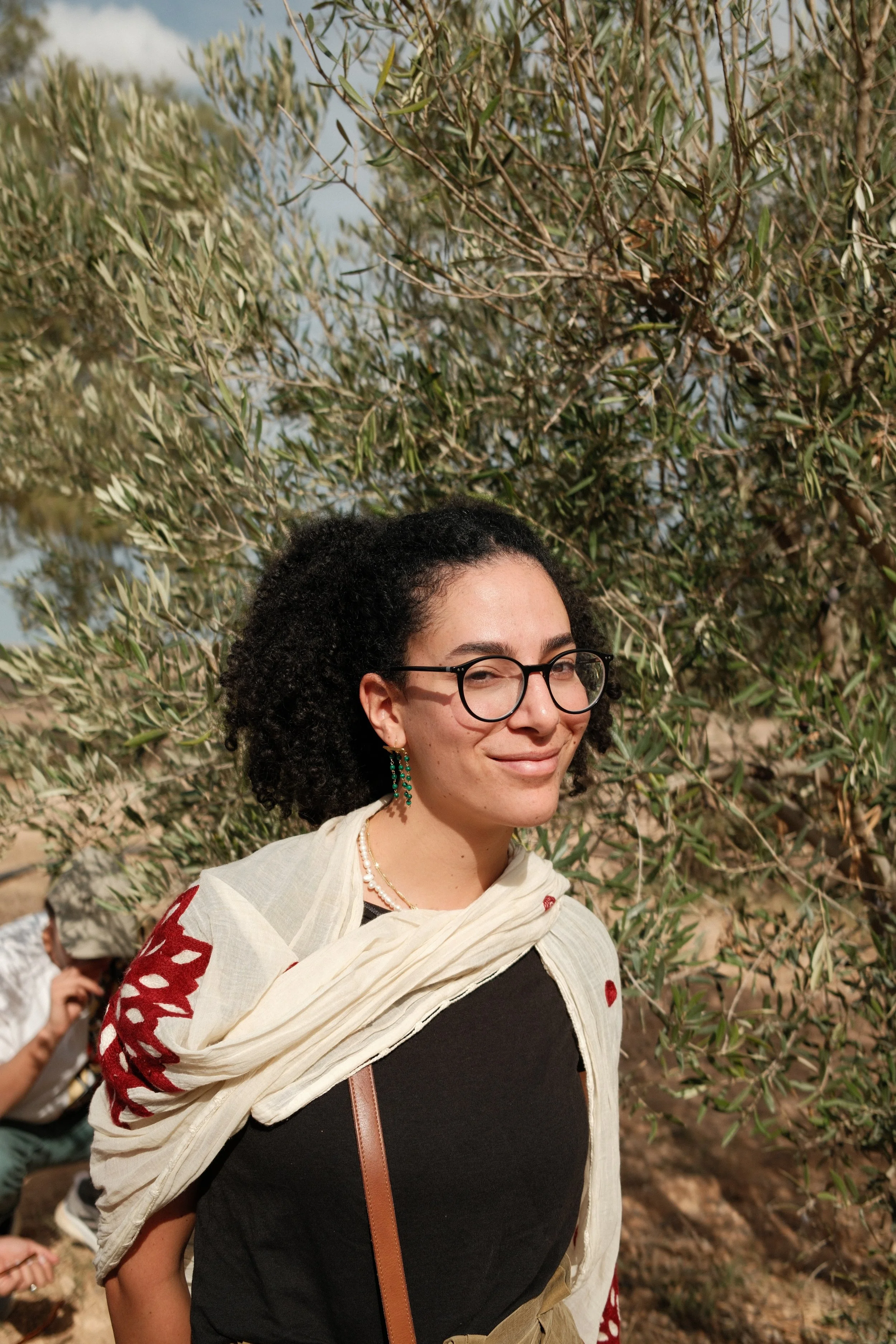
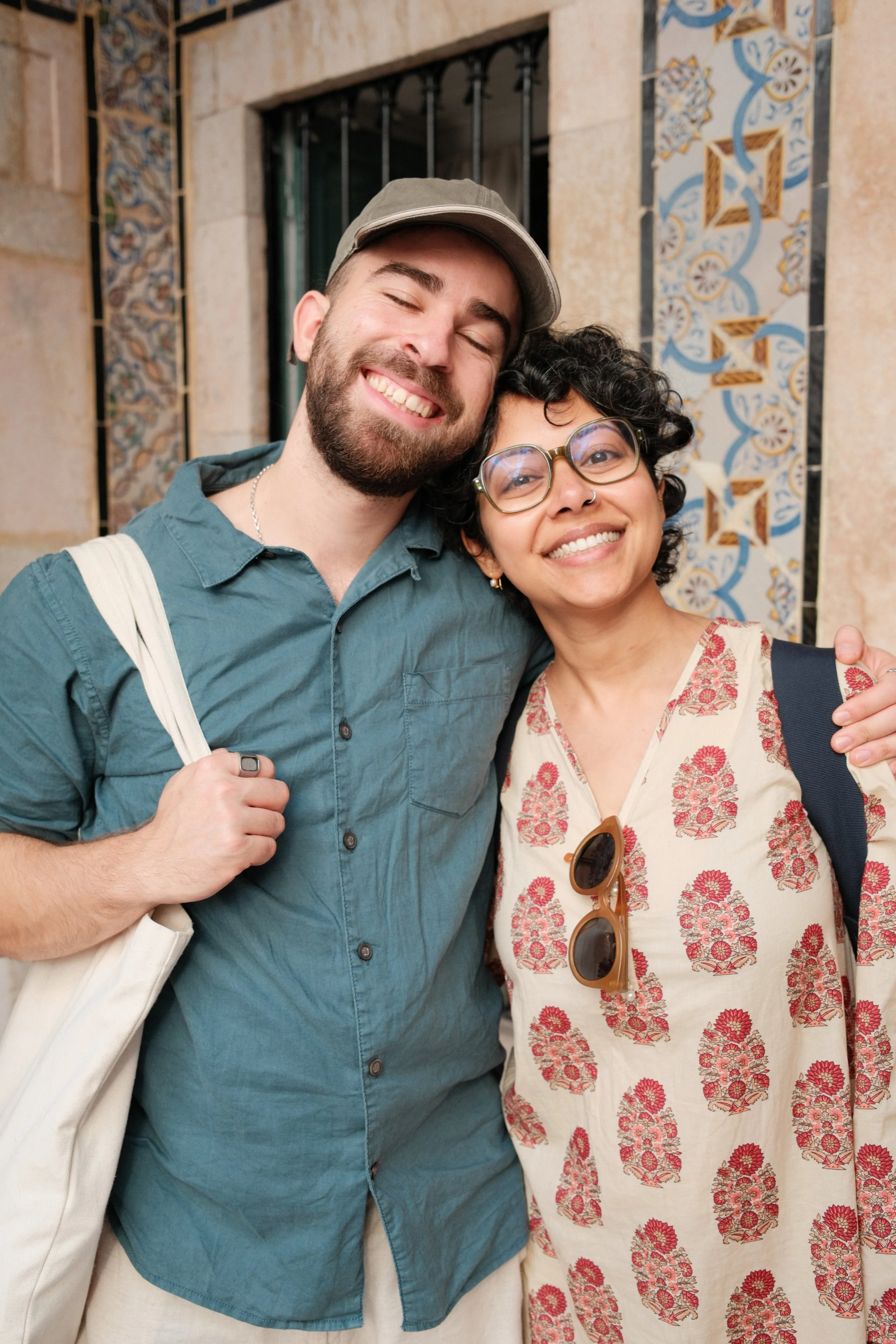
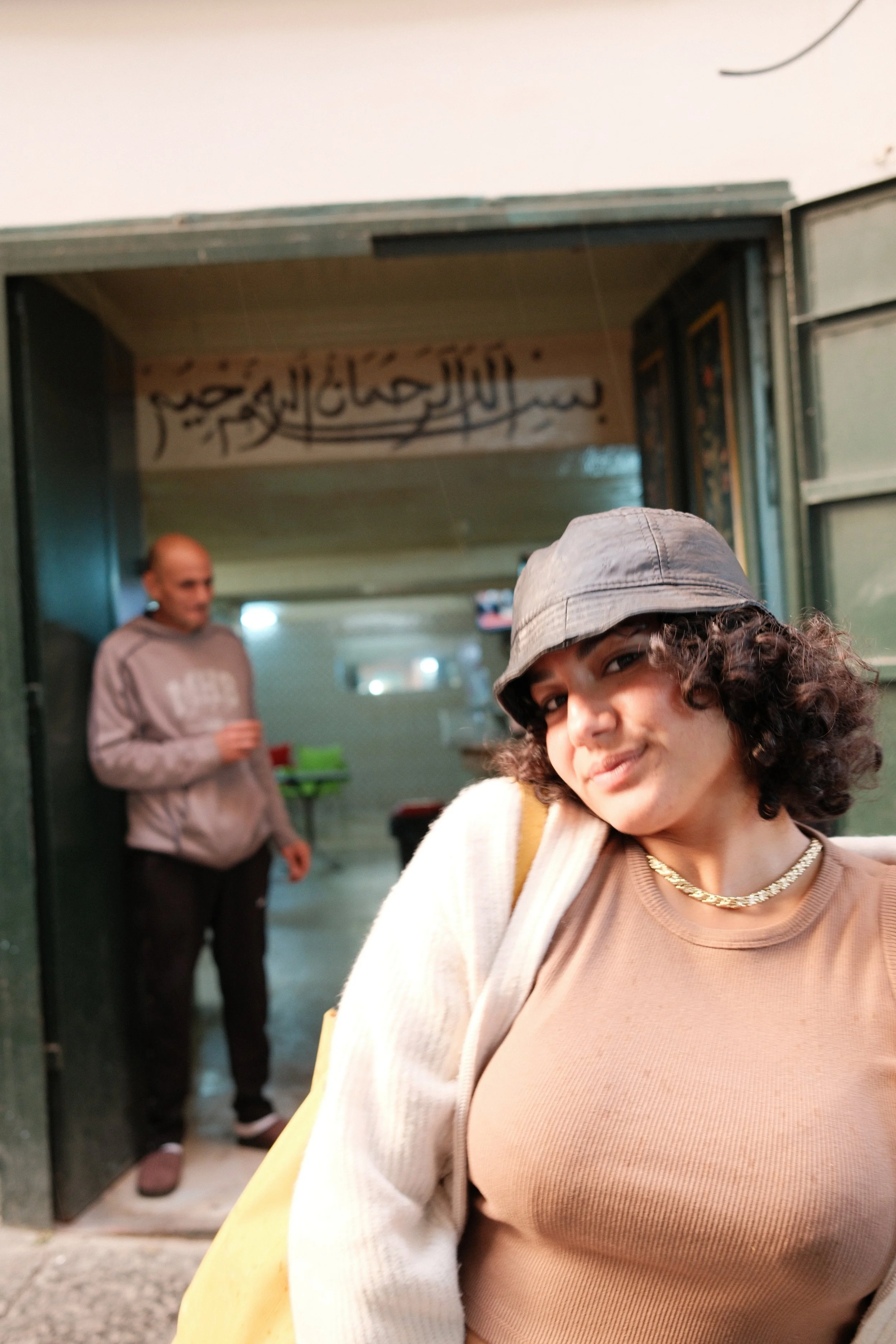
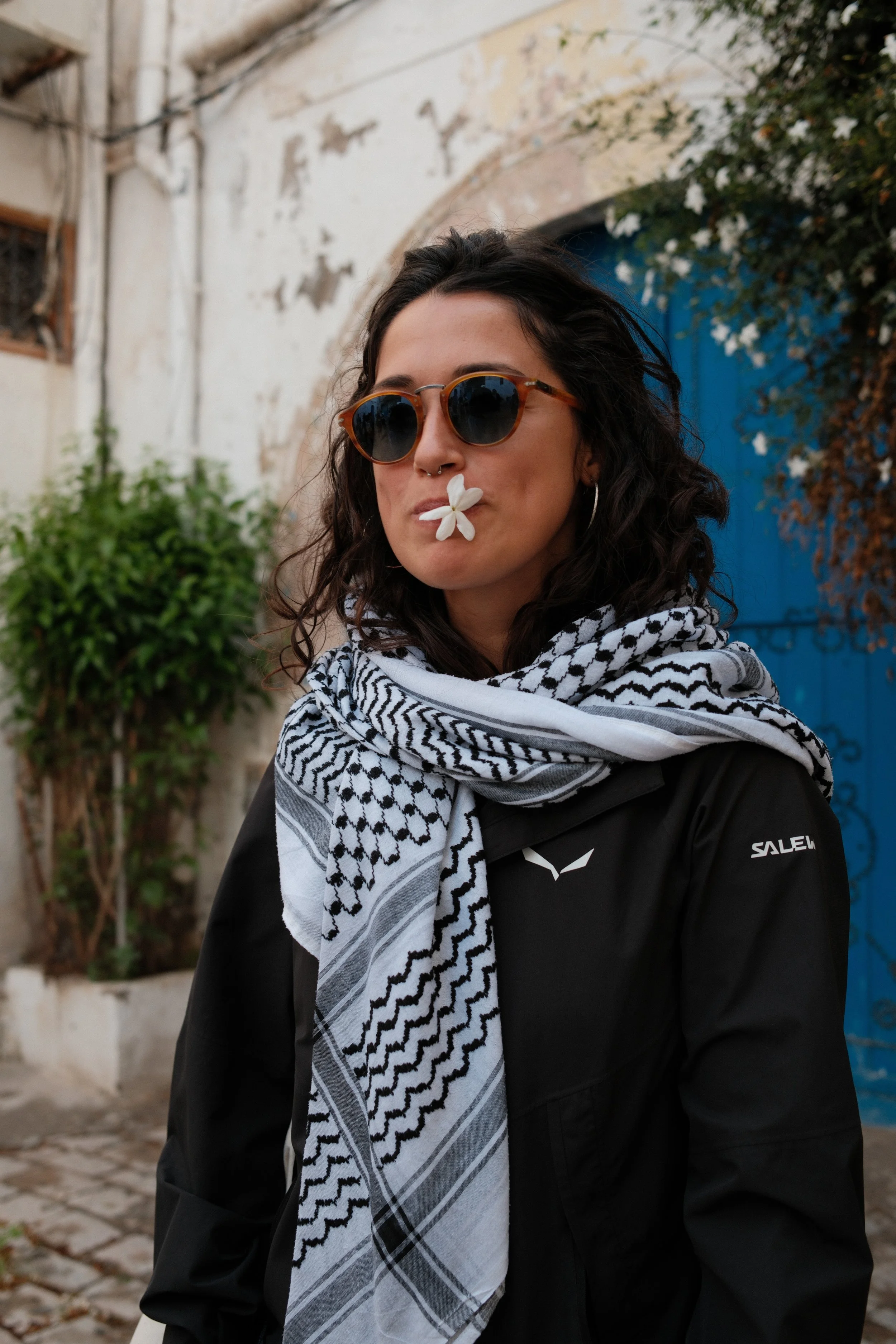
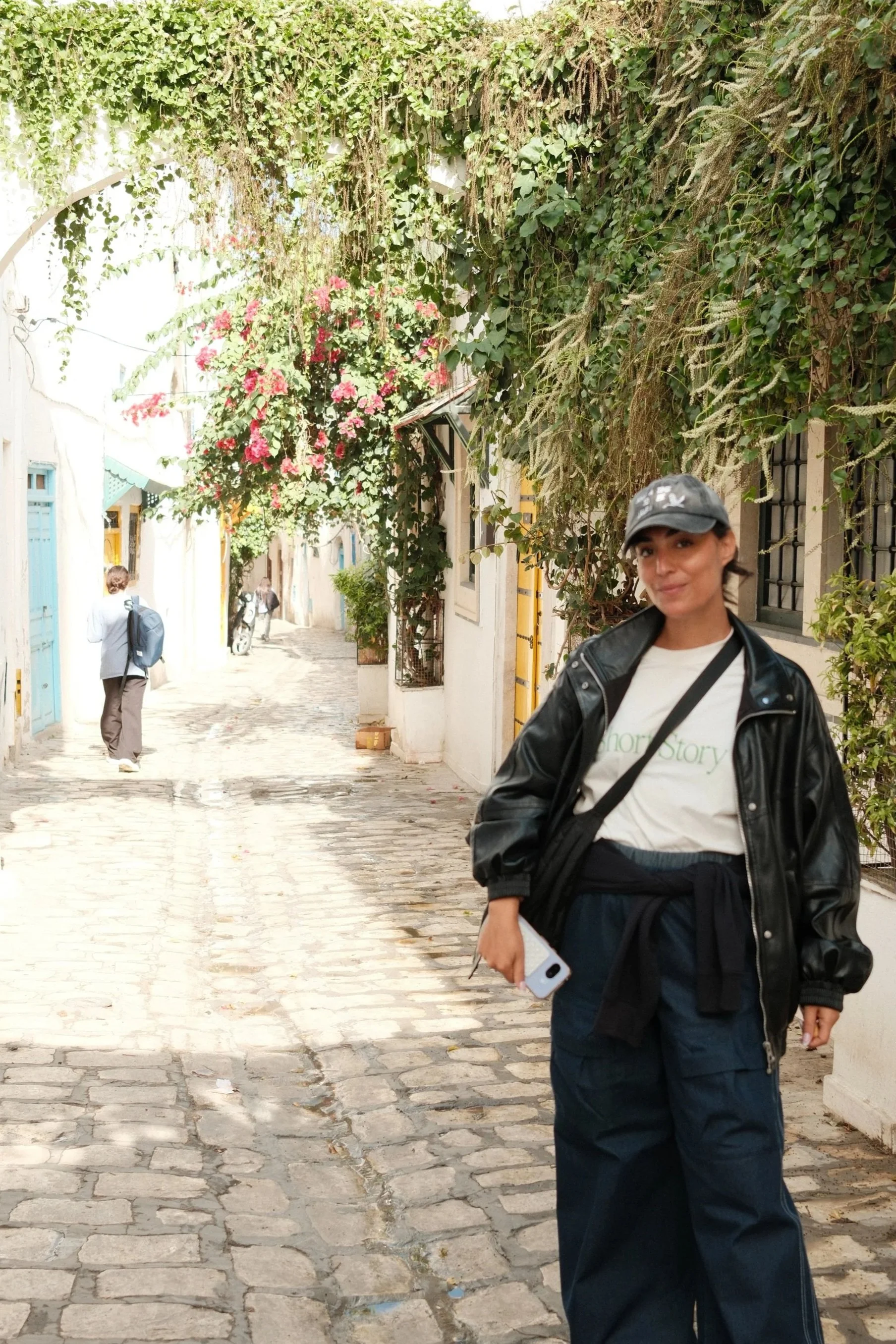
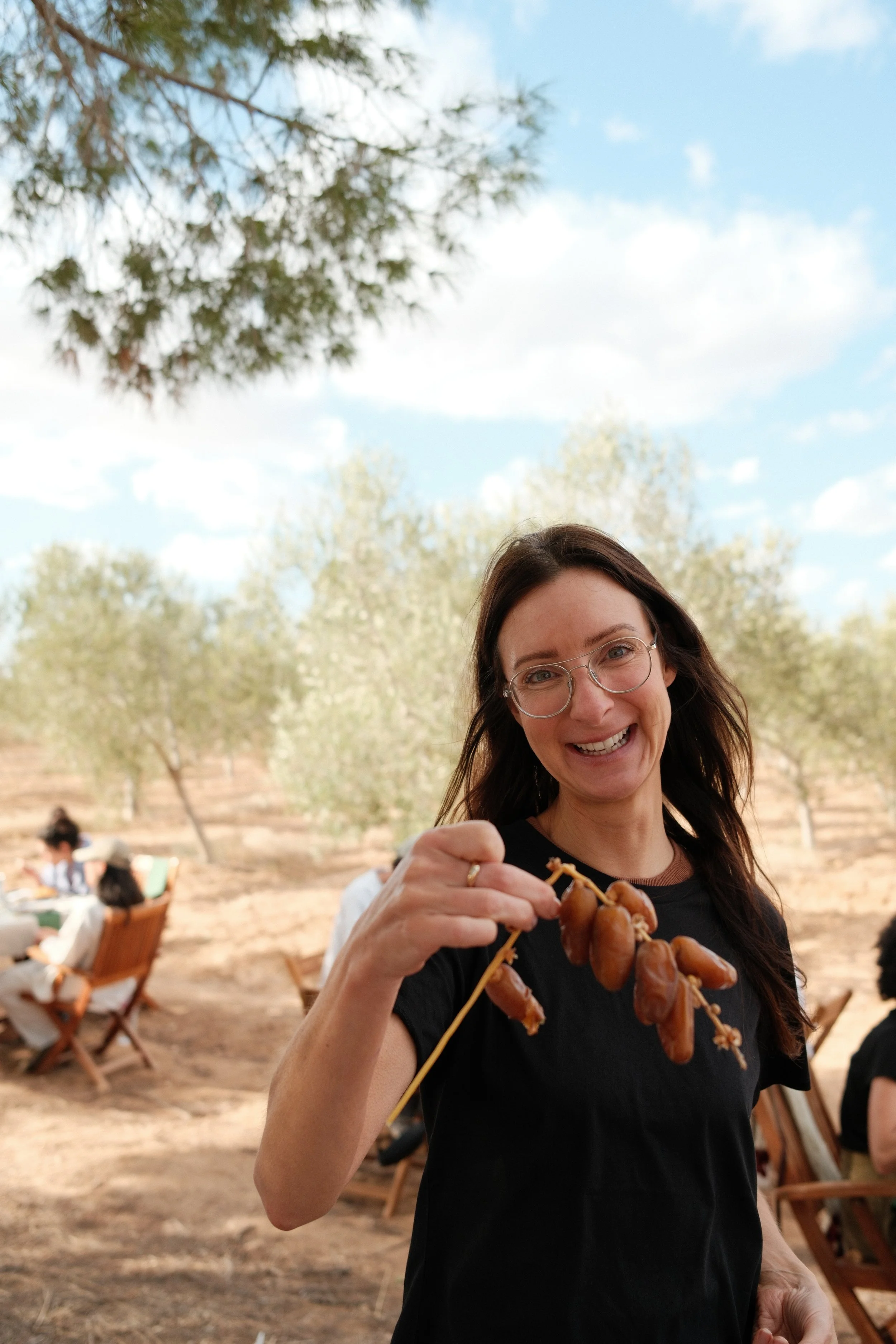
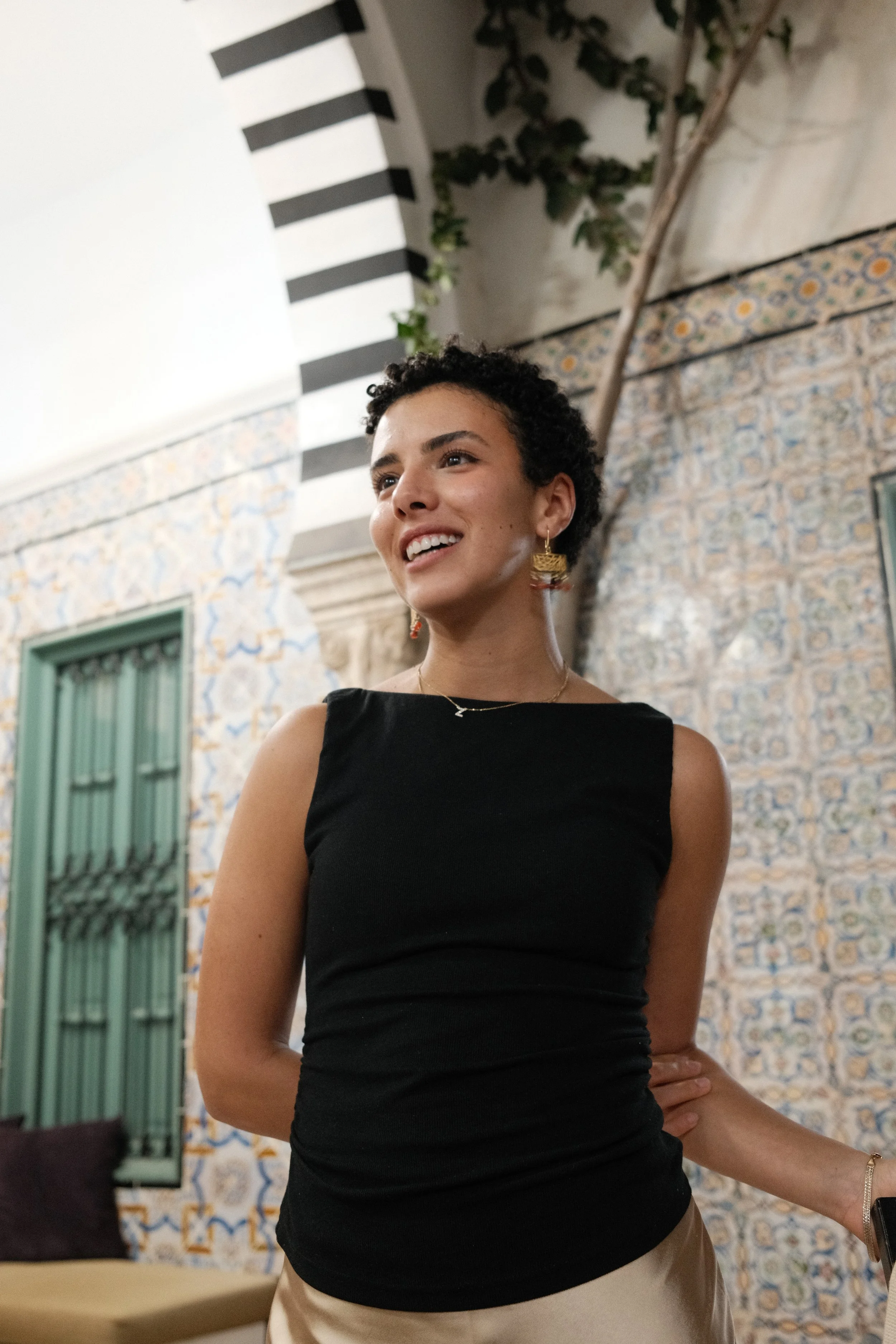
To celebrate our 2nd birthday, we invited 20 creatives to Tunisia for the olive harvest season.
They came from London, Cairo, Barcelona, Palermo, and Algiers.
A Hekayyatna Field Trip is about showing up with curiosity and leaving with understanding.
That’s why we designed this experience with the place, not on top of it. We partnered on almost every element with local organisations, makers and communities.
It's about the knowledge that only comes from doing: tasting, making, walking, discussing, harvesting, listening. From being somewhere long enough to feel it.
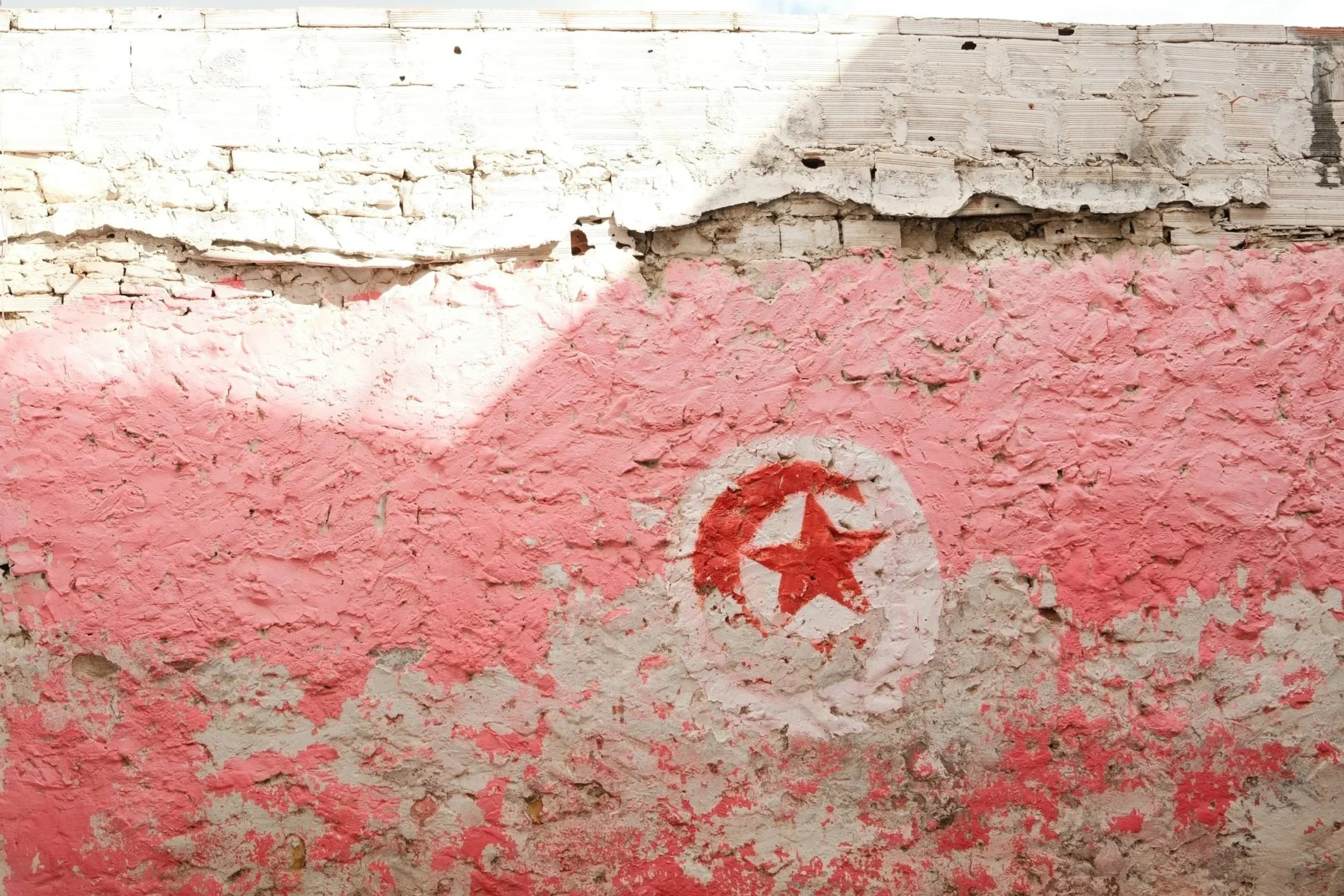
❋
Part 1: Tunis
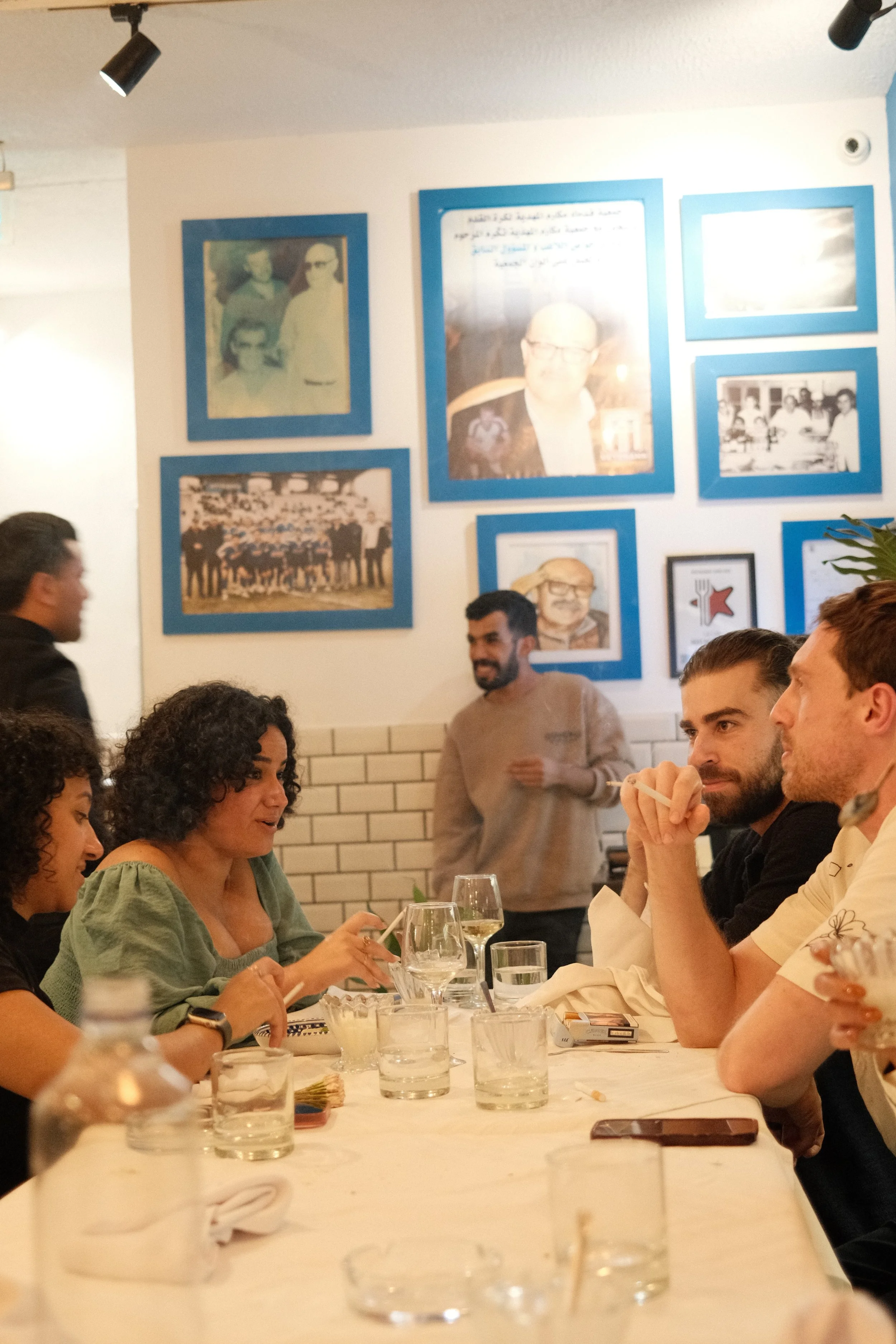
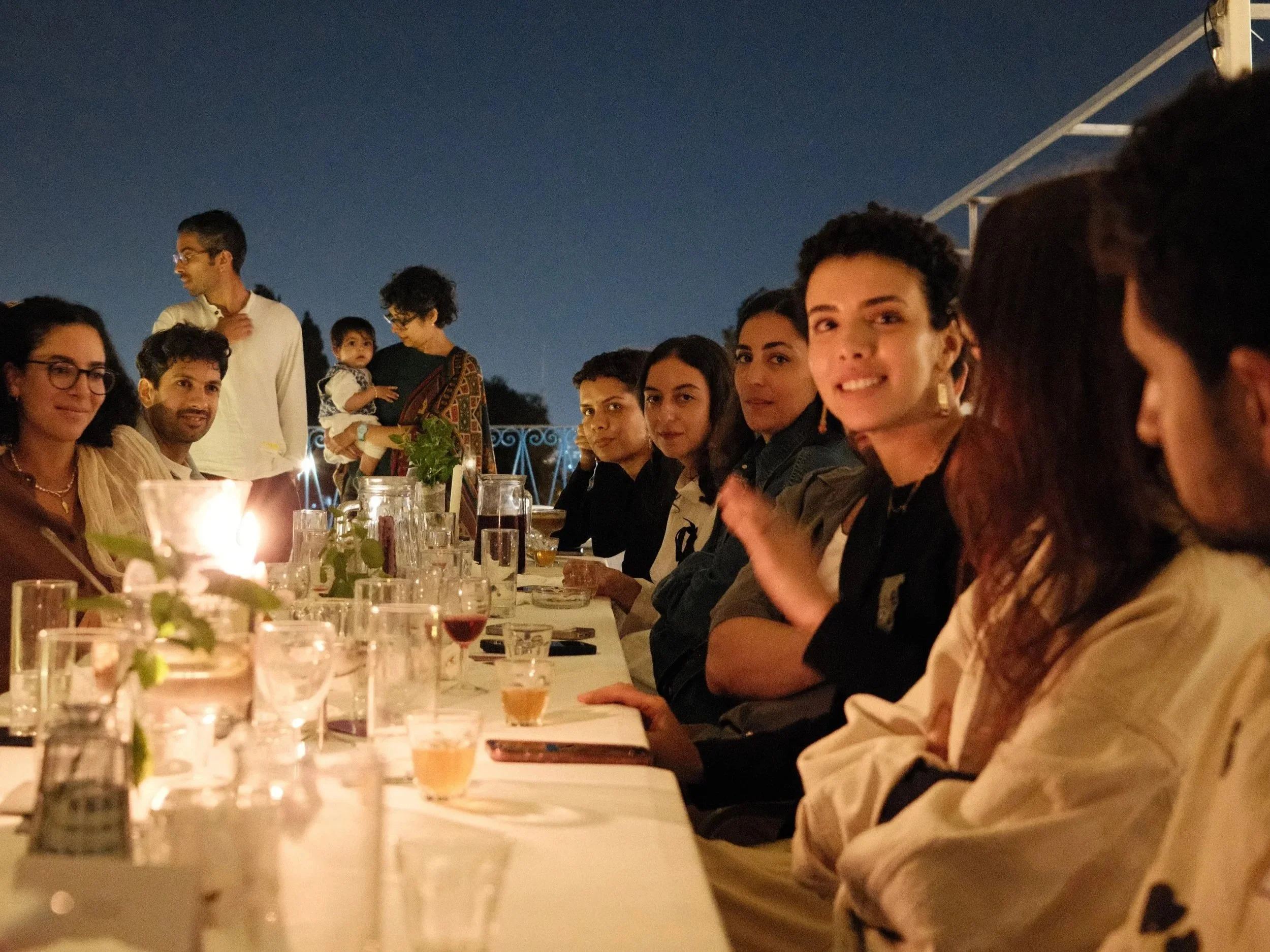
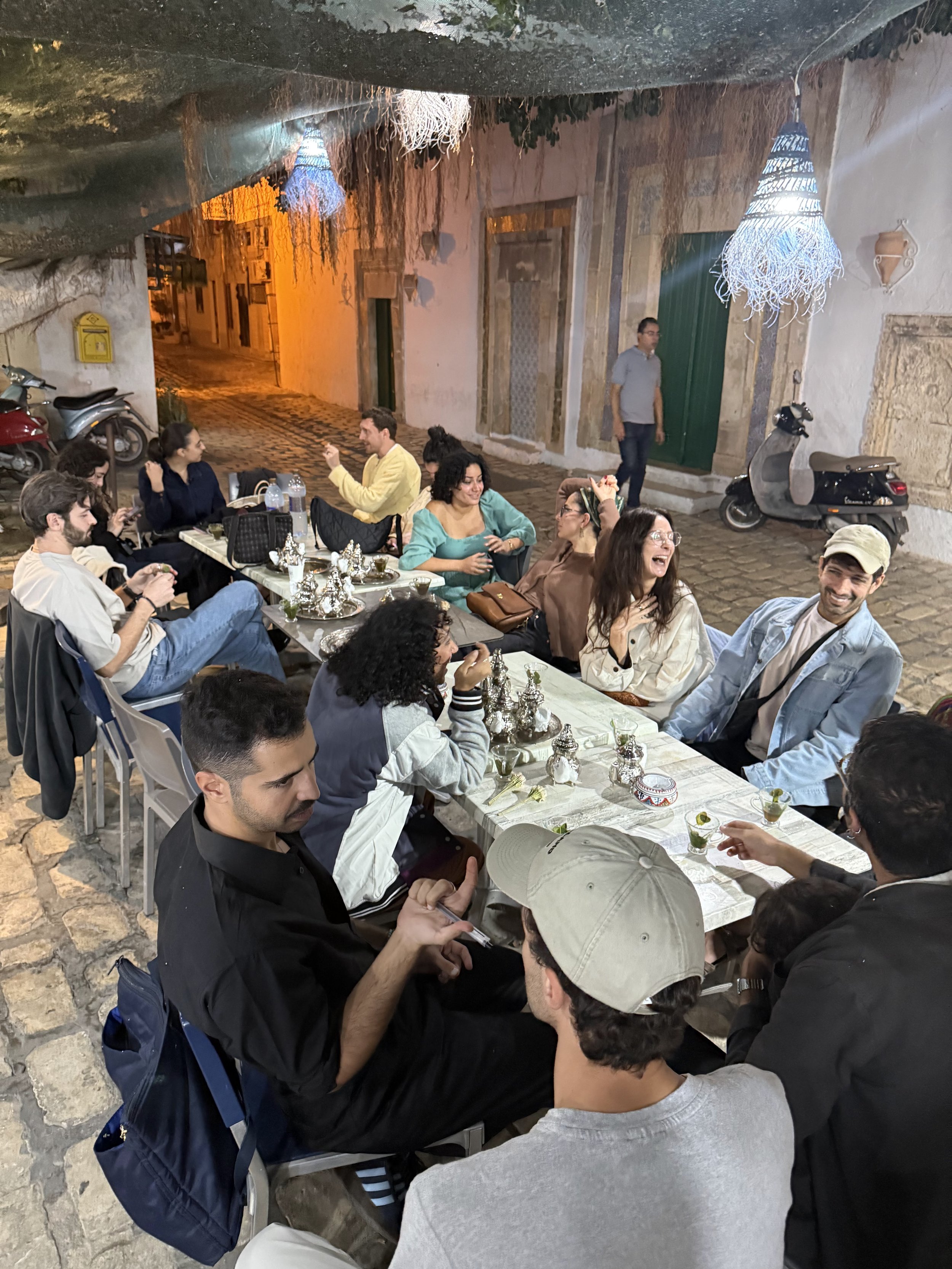
We kicked off the trip with a welcome supper at So Sociale in Tunis. The delicious food and the cozy space made it the perfect place to set the tone… and for everyone to get to know each other!
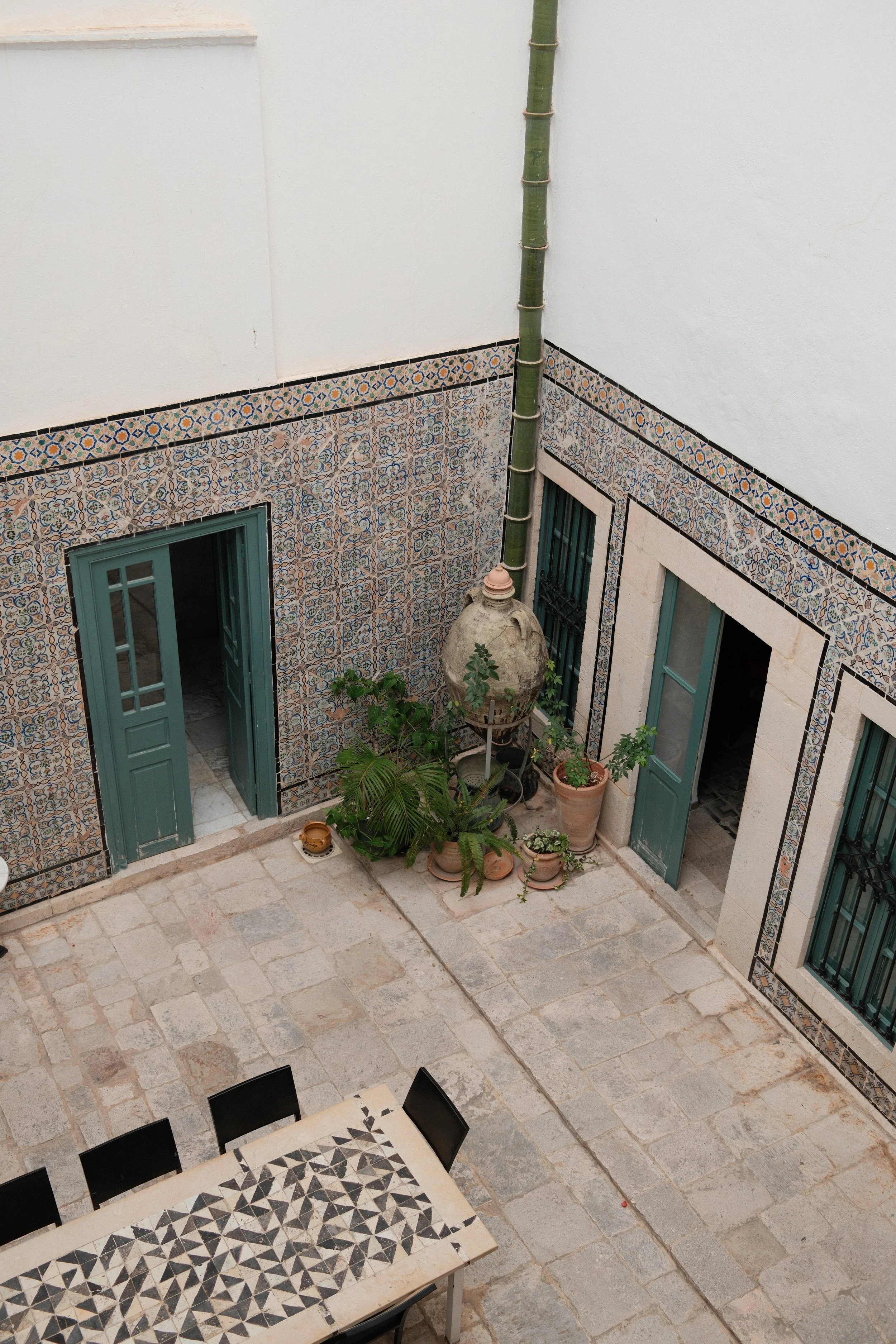
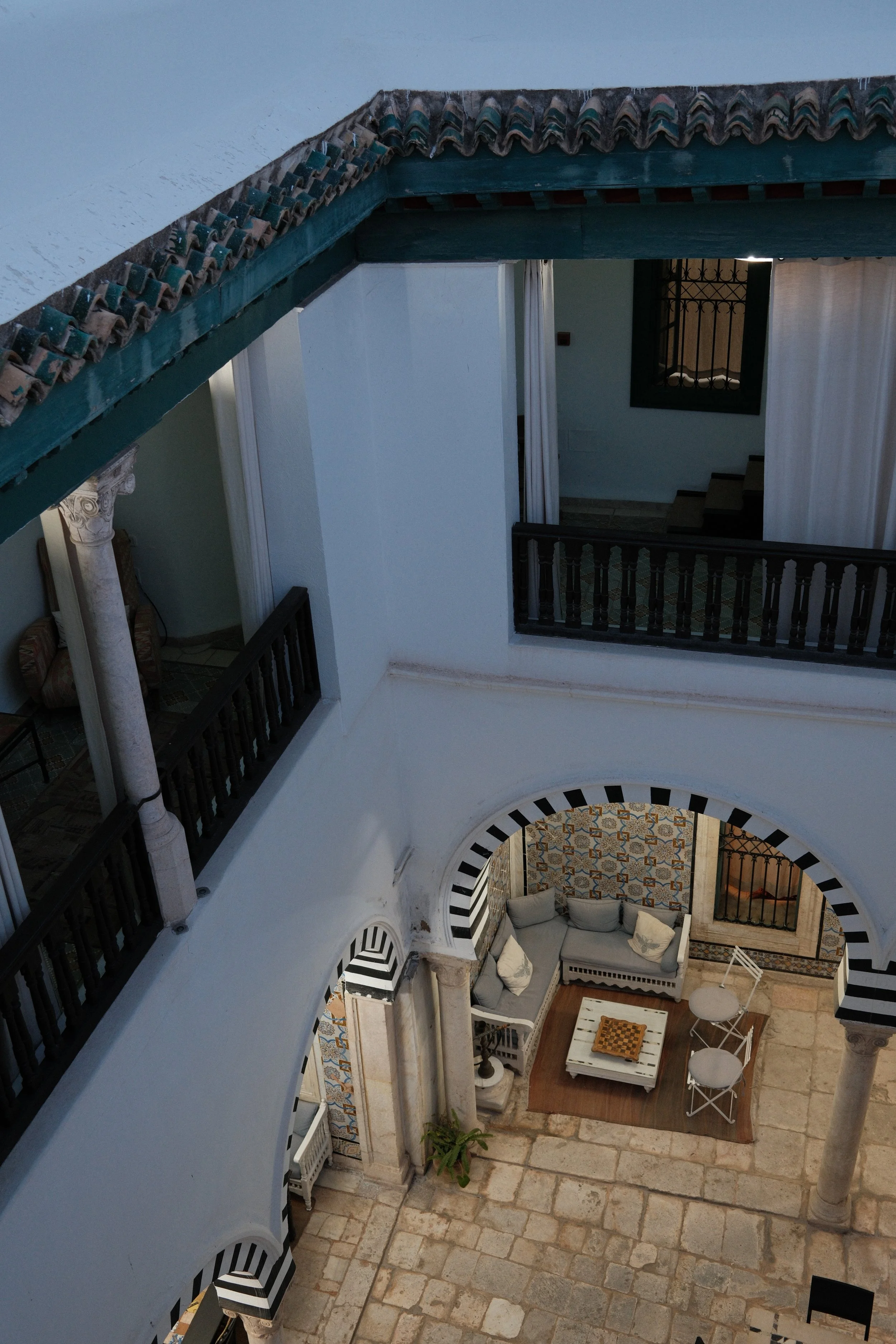
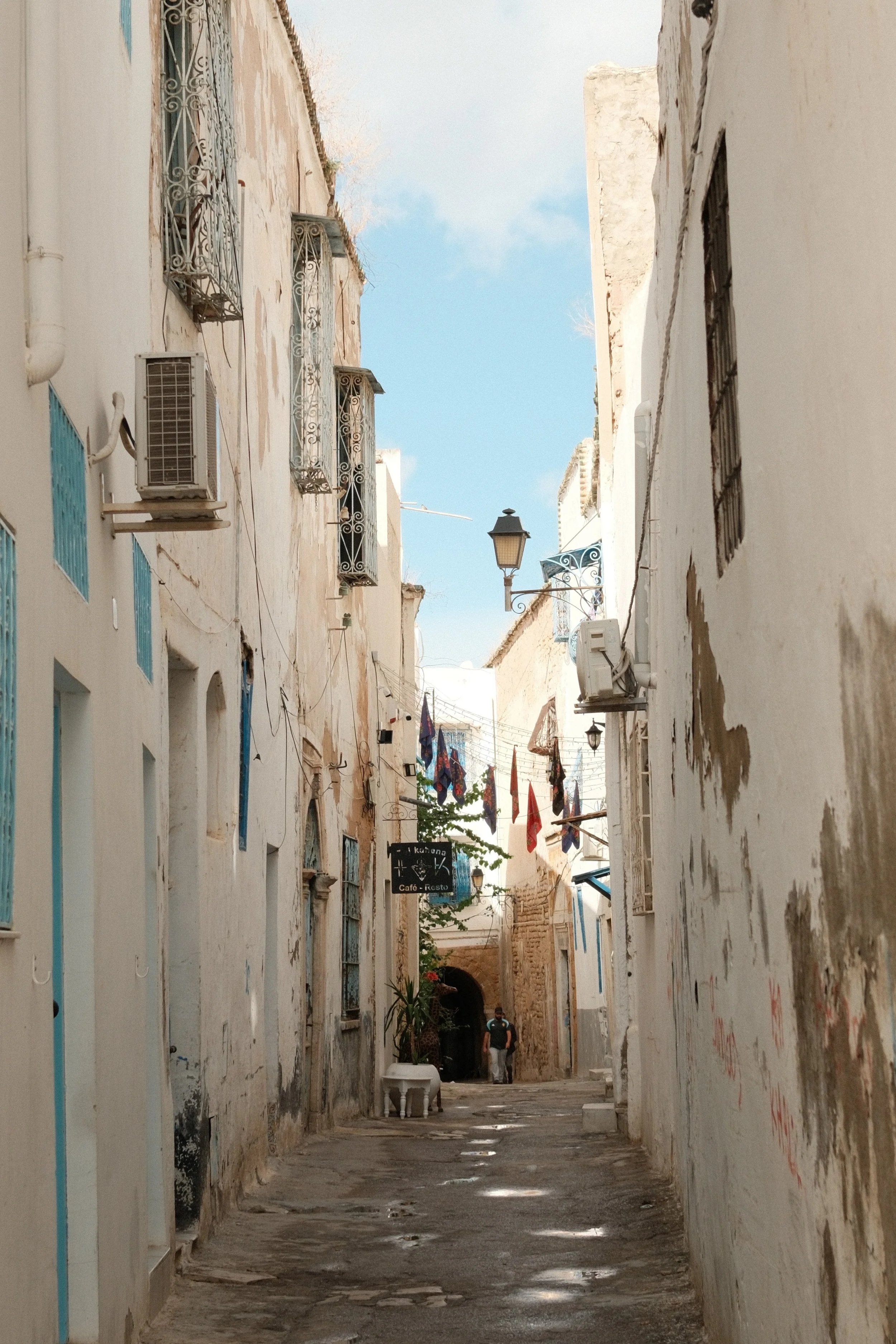
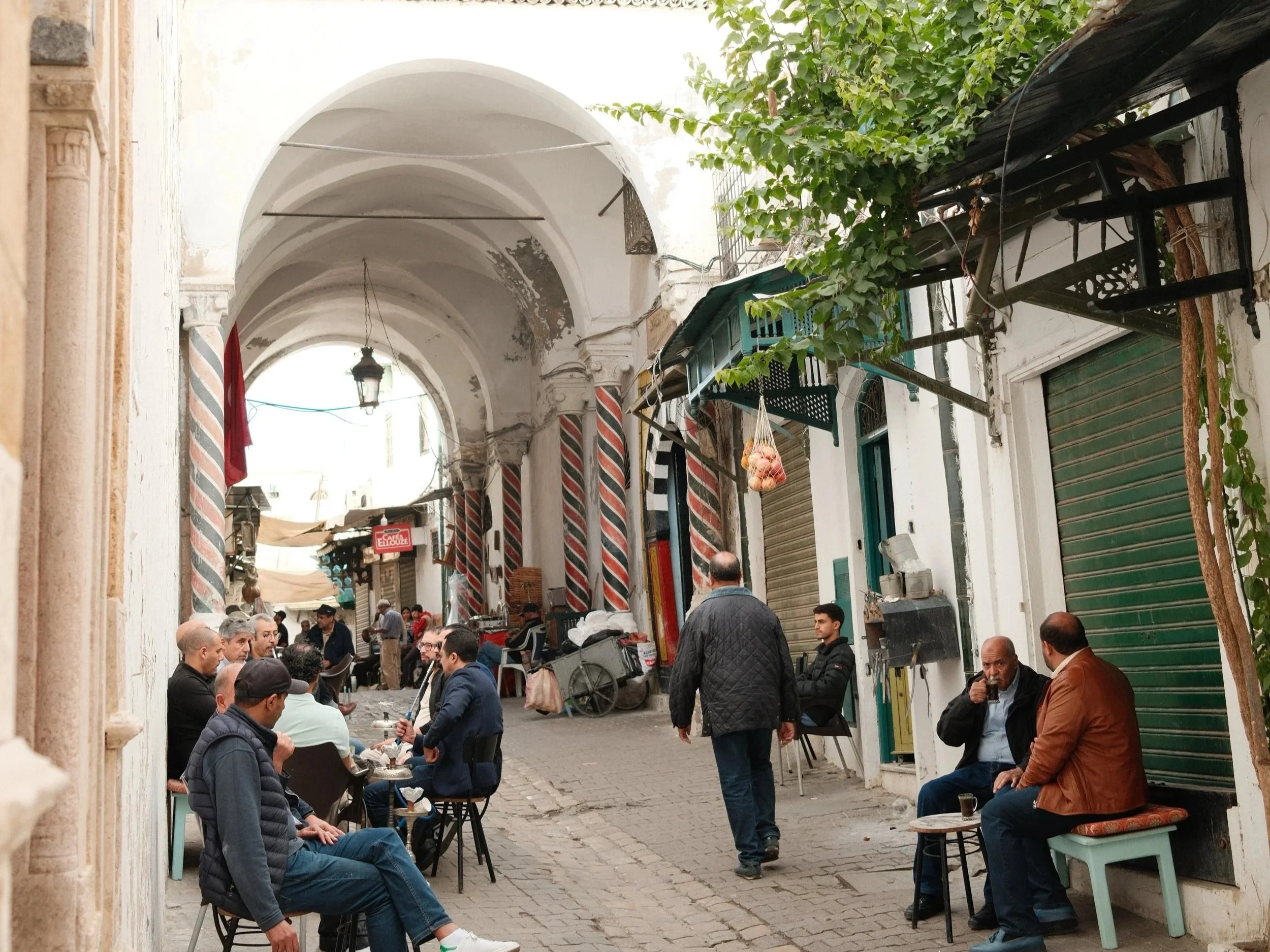
The next morning, we did a walking tour with Mdinti: a local organisation dedicated to preserving and sharing the history, architecture, and memory of Tunis.
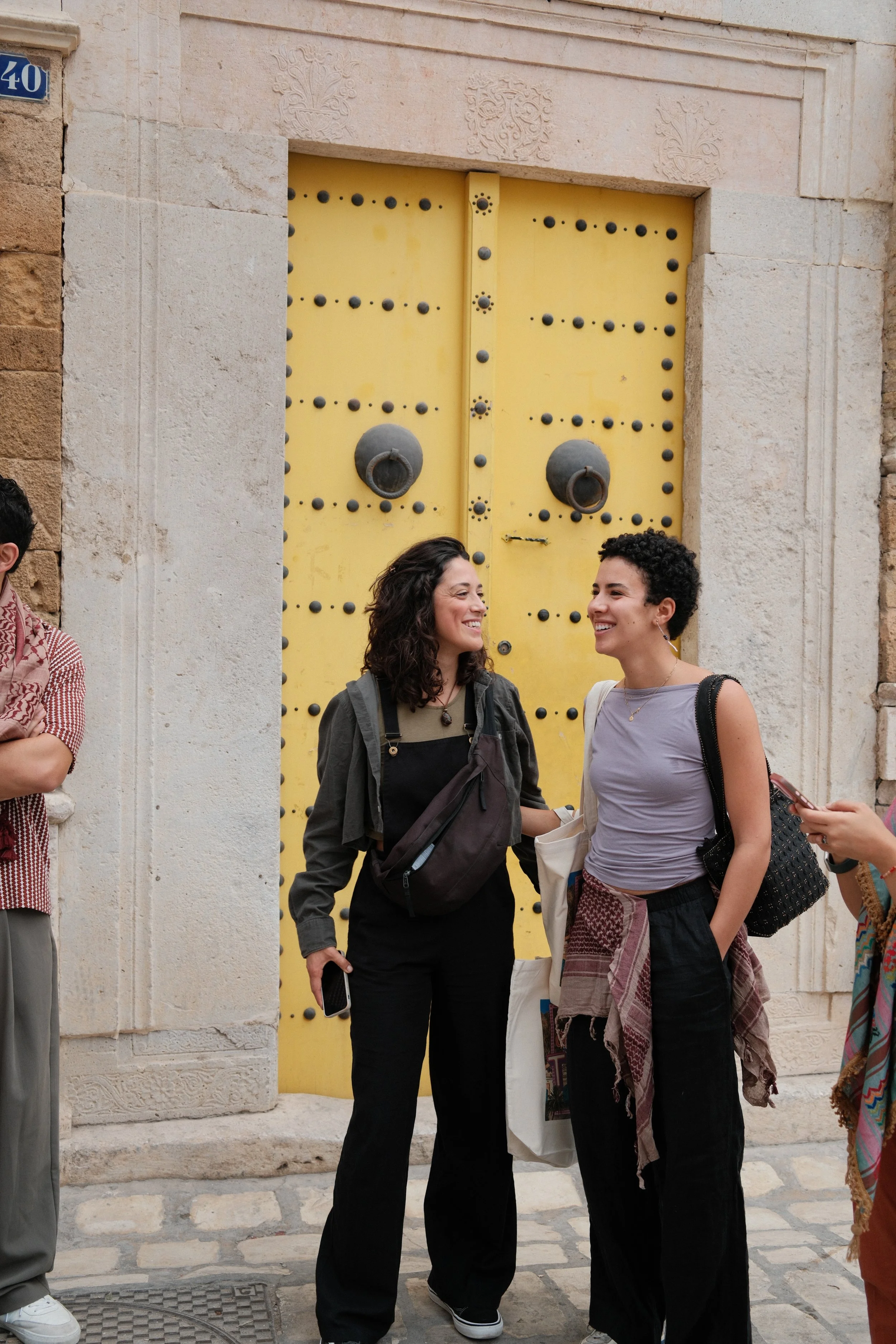
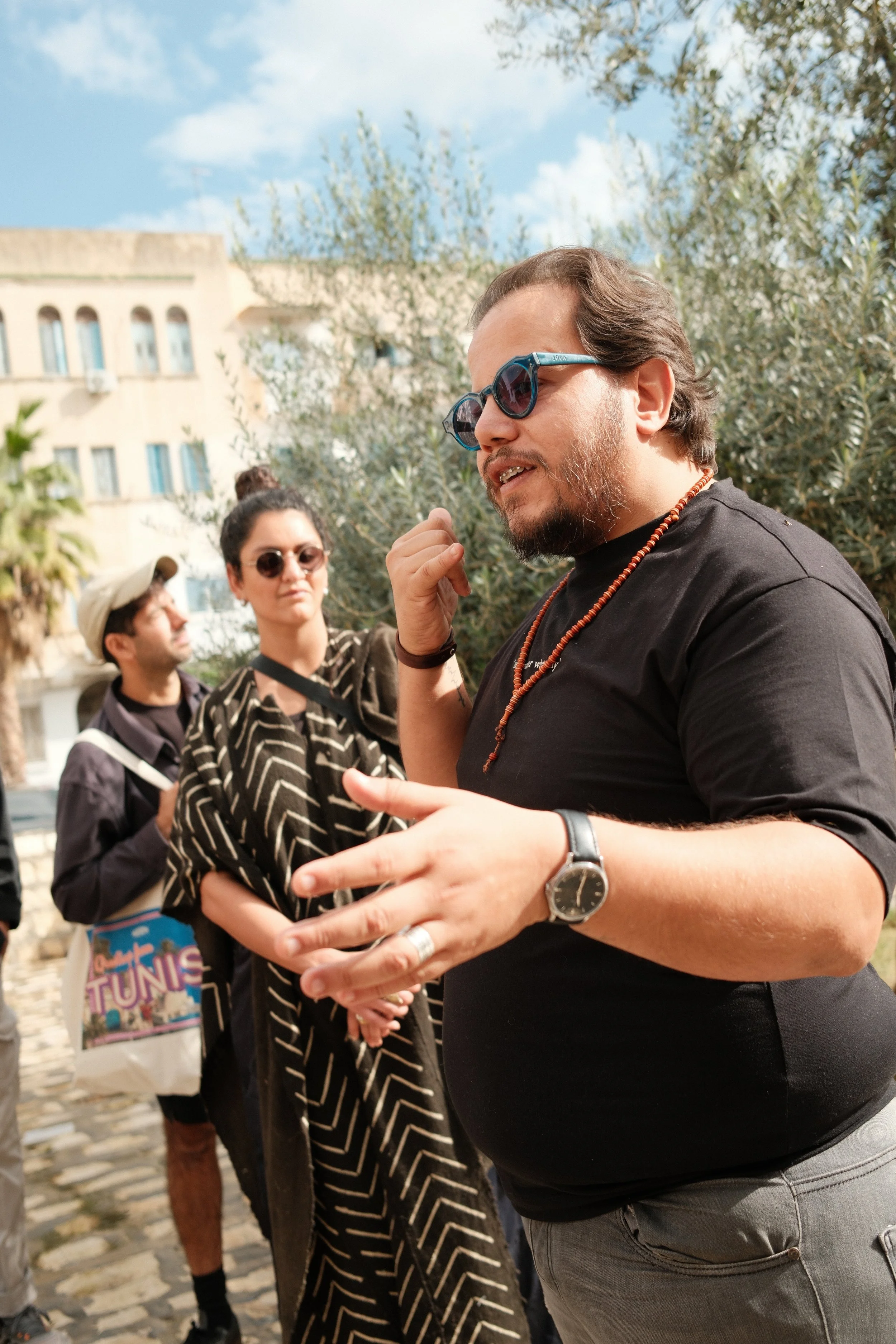
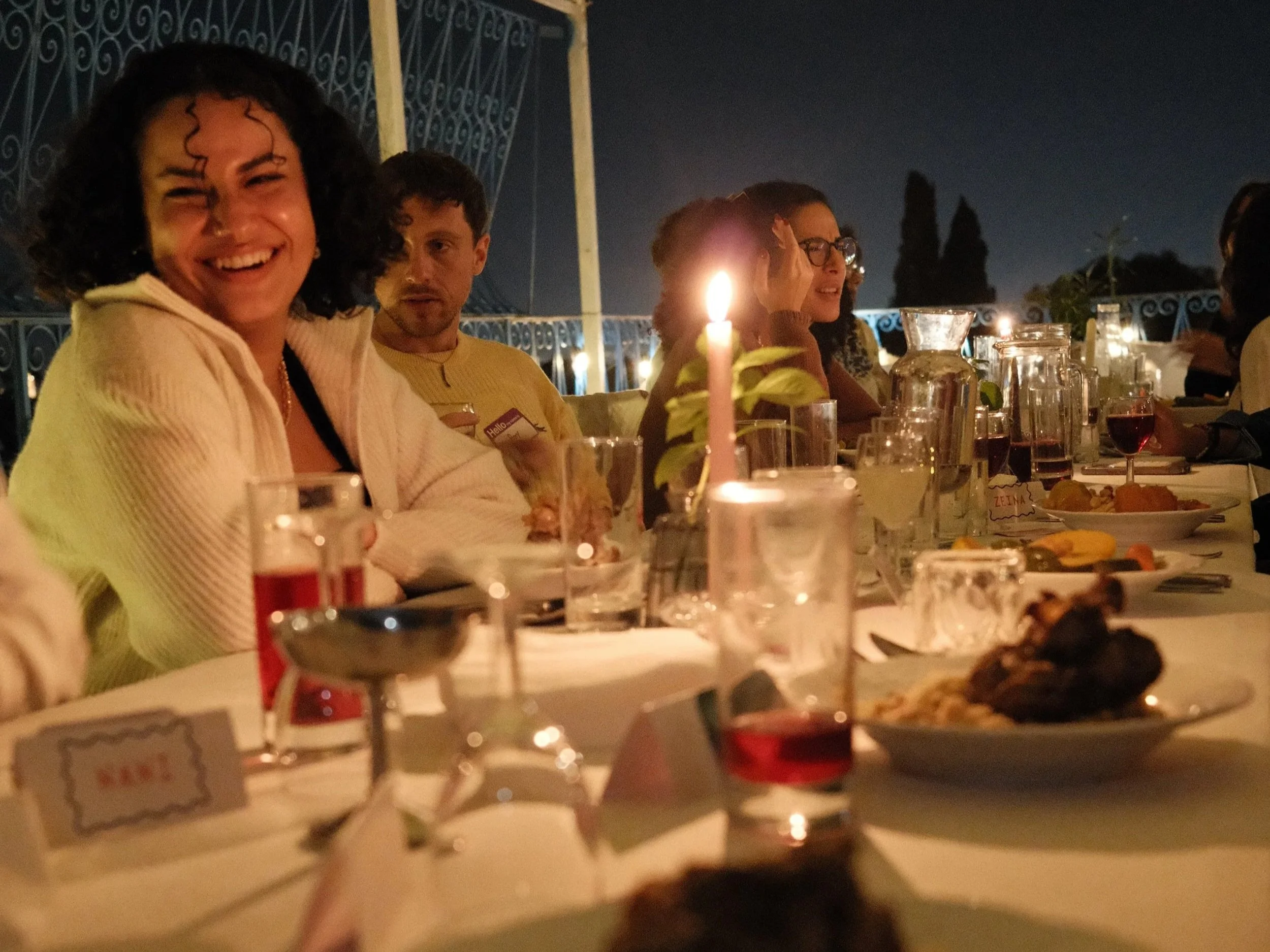
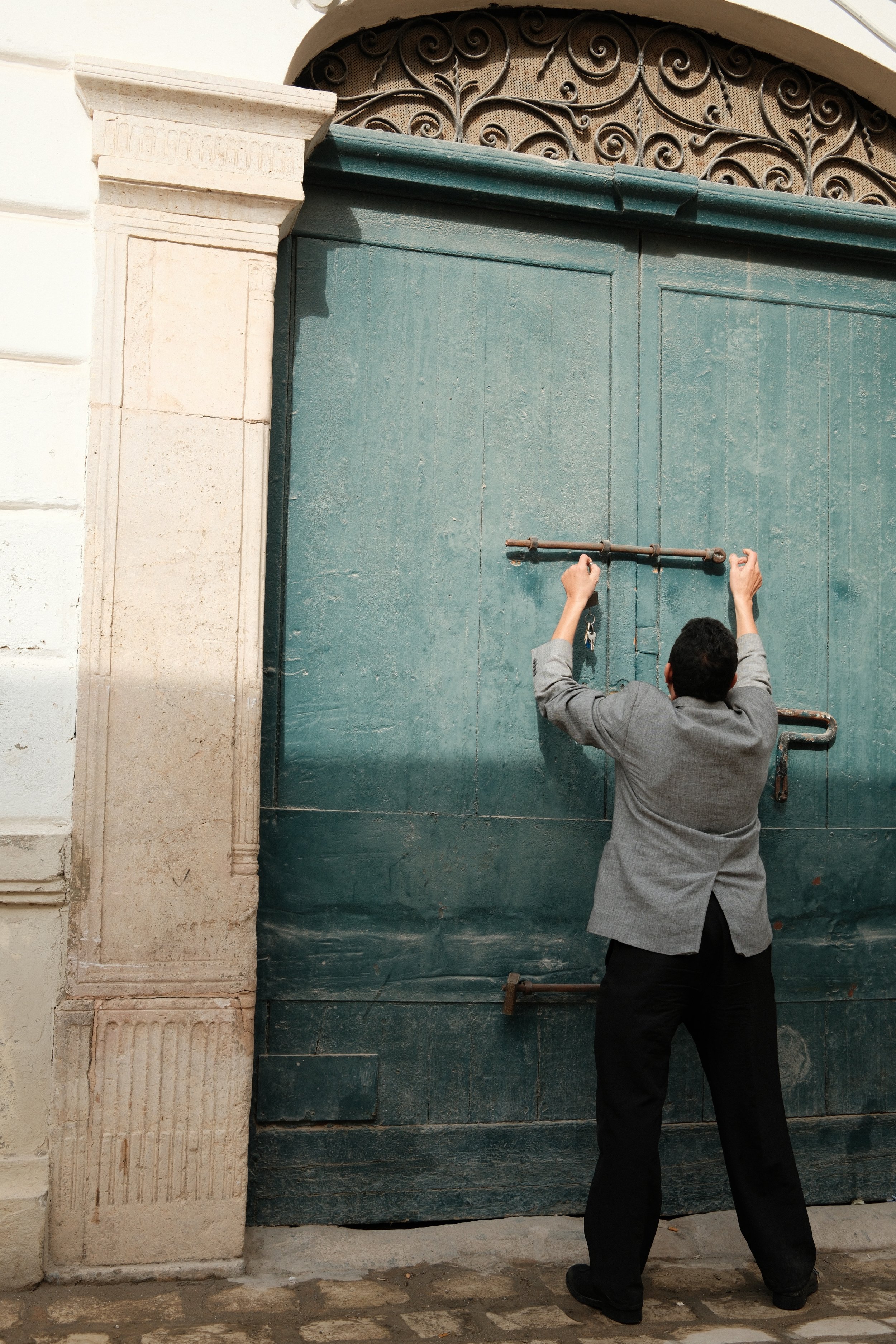
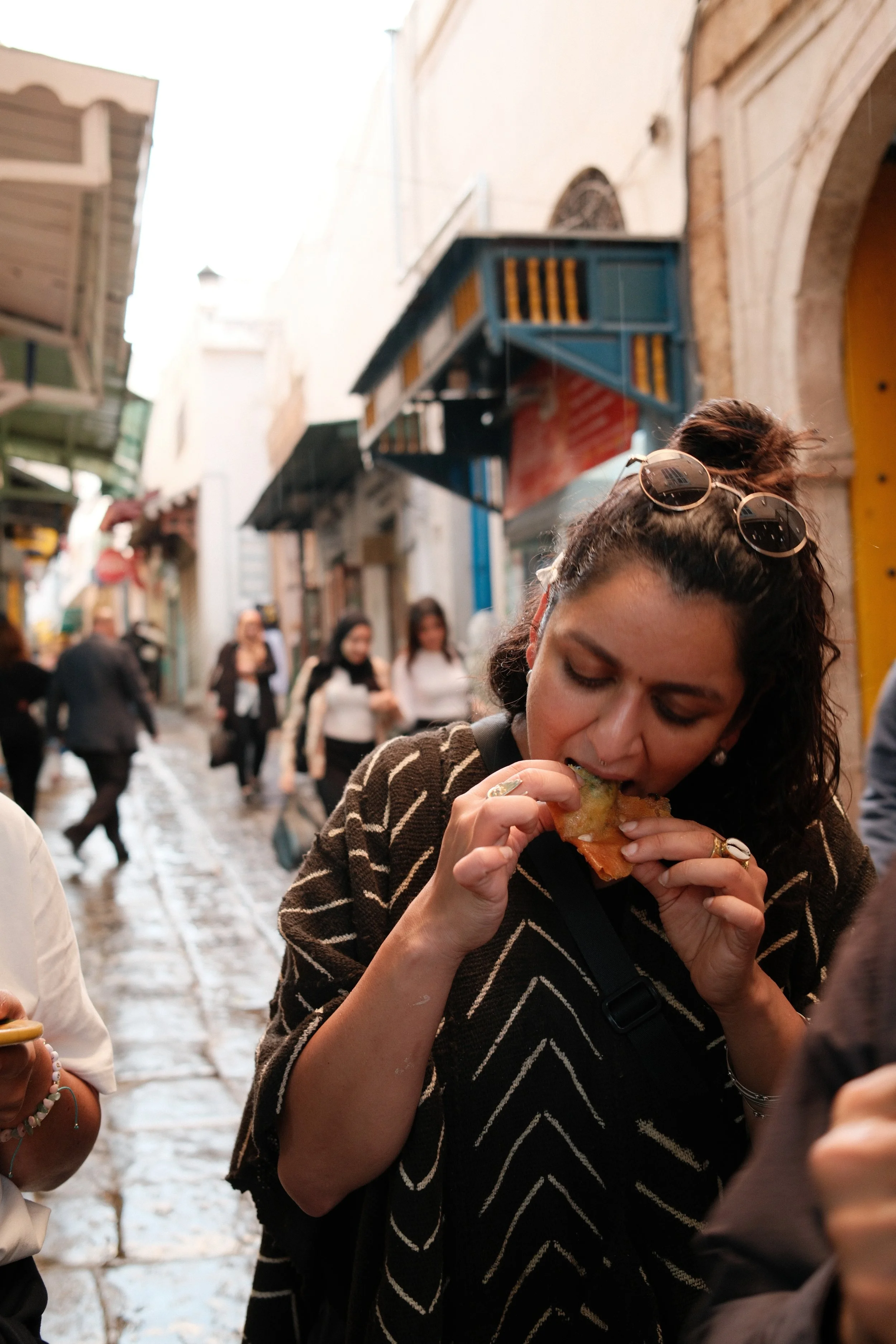
Followed by a free afternoon to wander, relax, and eat our way through the city.
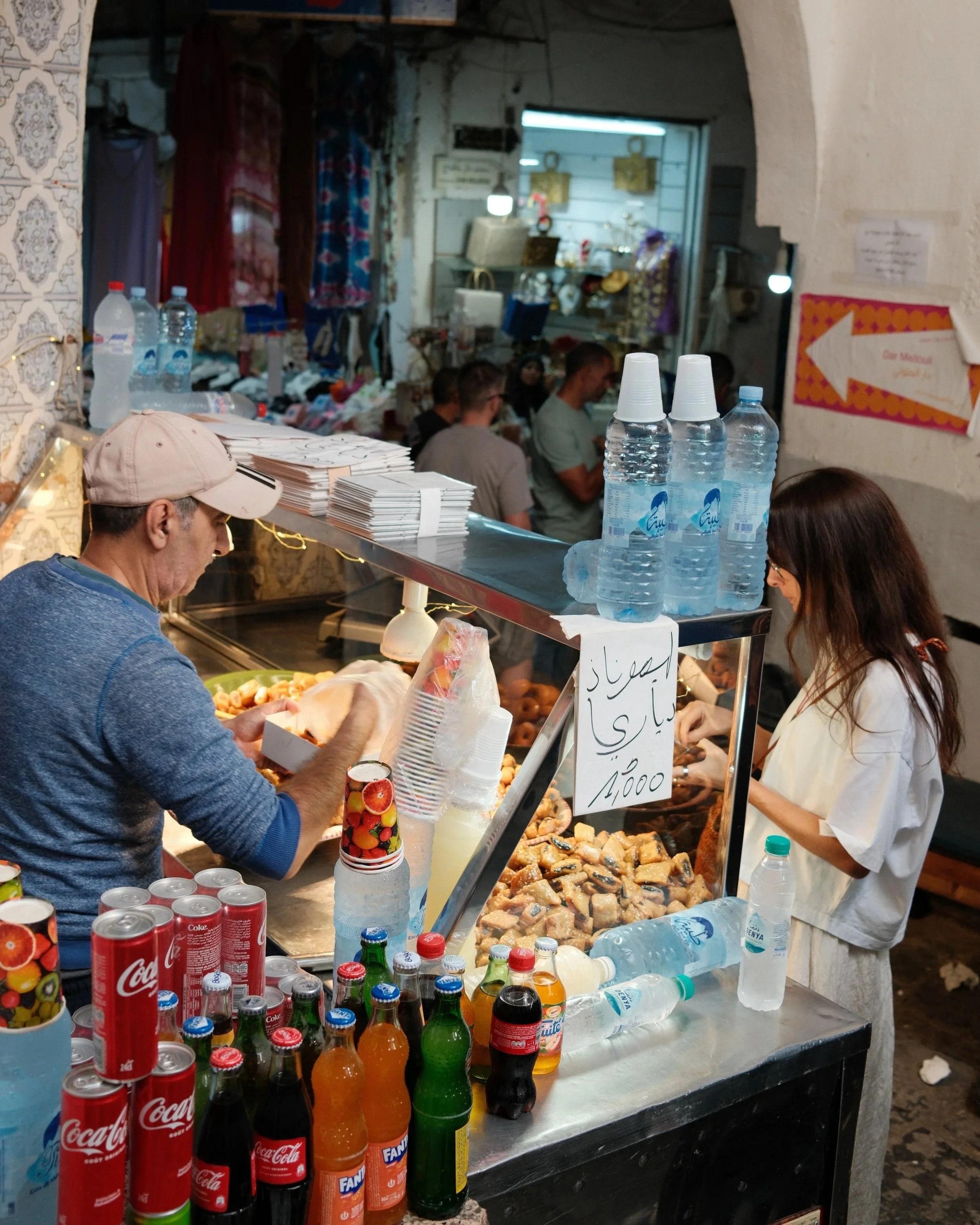
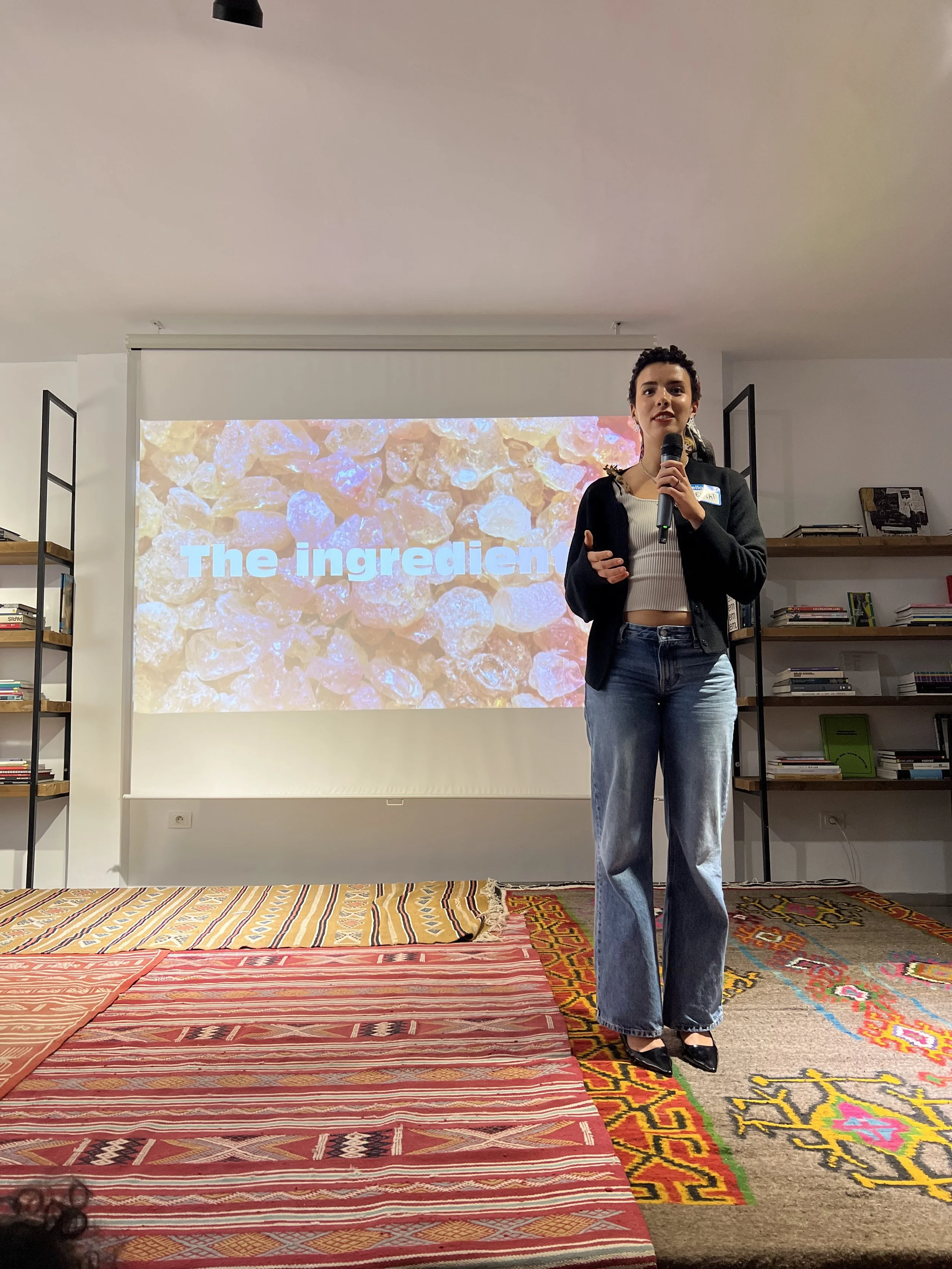
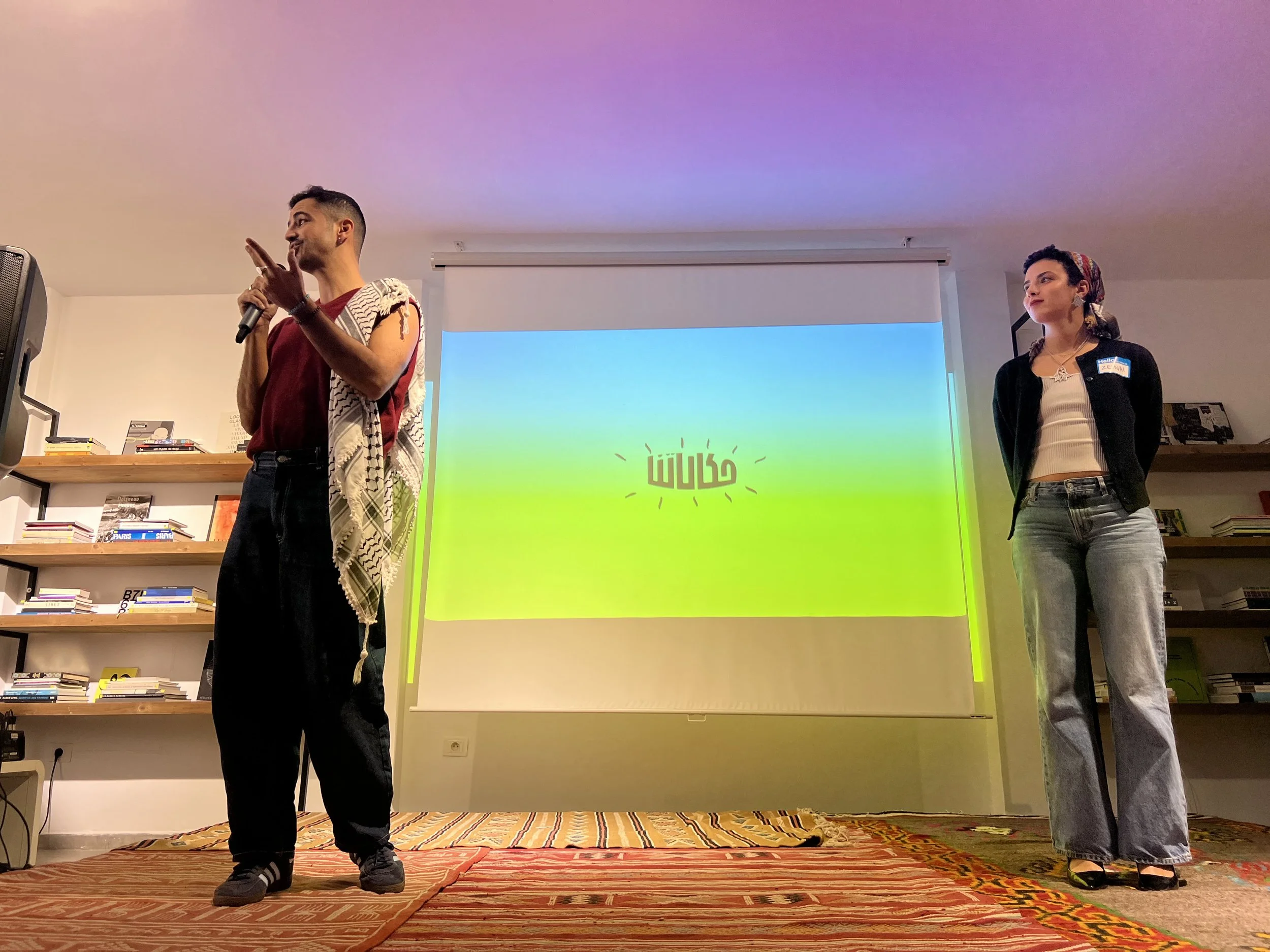
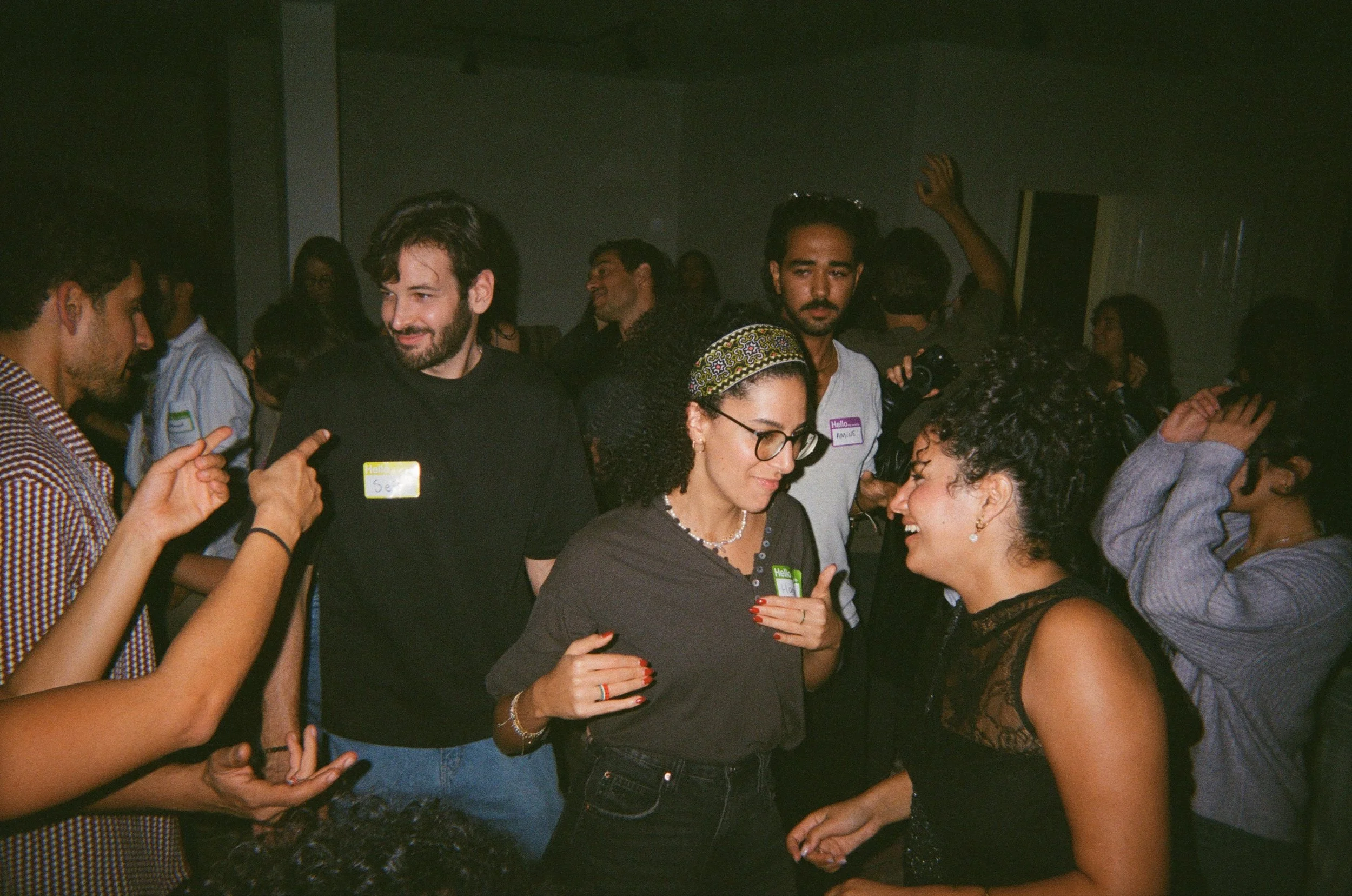
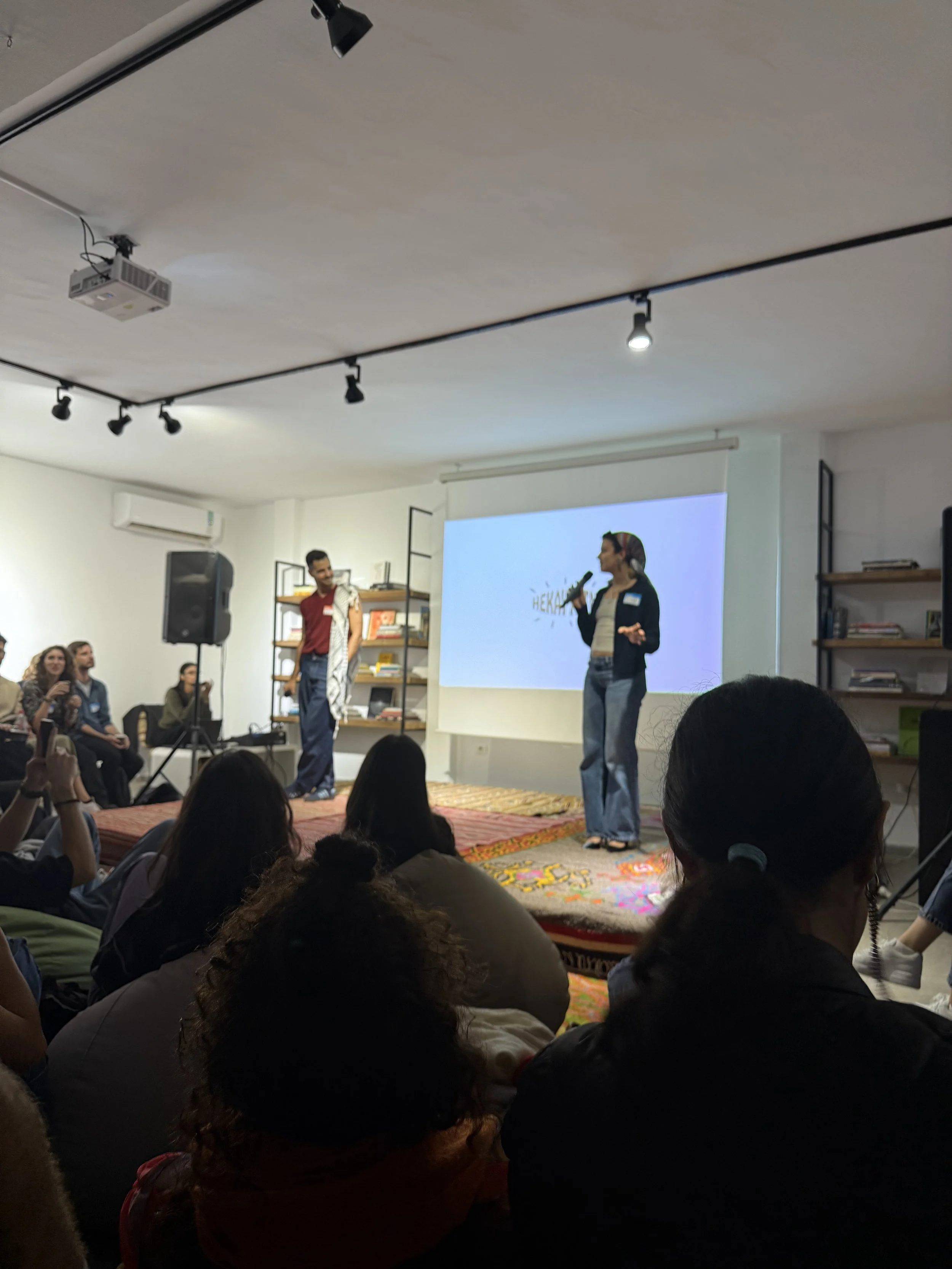
That evening, we hosted a Hekayyatna-style event at B7L9 Gallery where 120+ locals joined our cohort to collectively explore How can we decolonise our food?
The conversation was loud, honest, and alive.
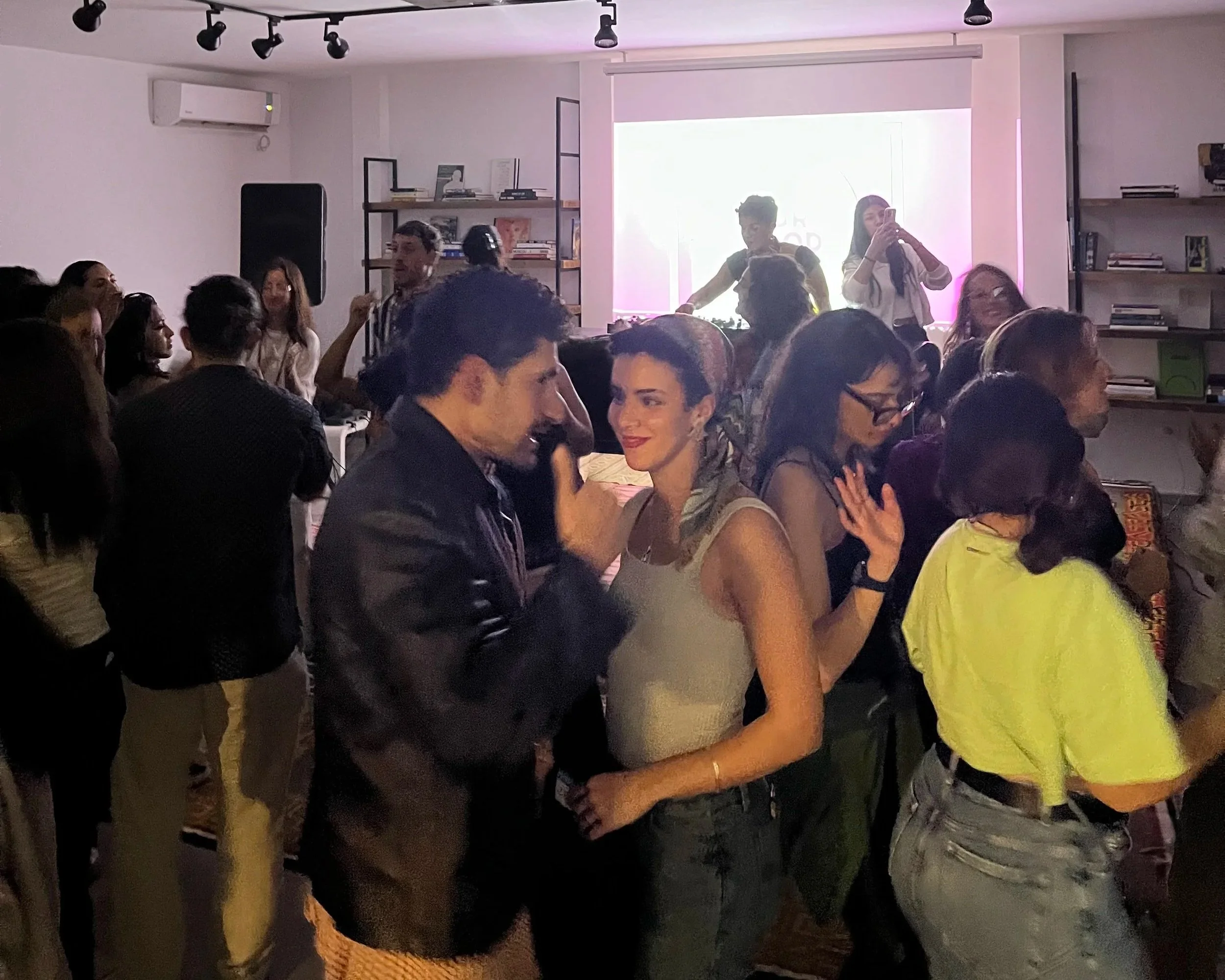
And we ended the night with a DJ set from DJ Rara.
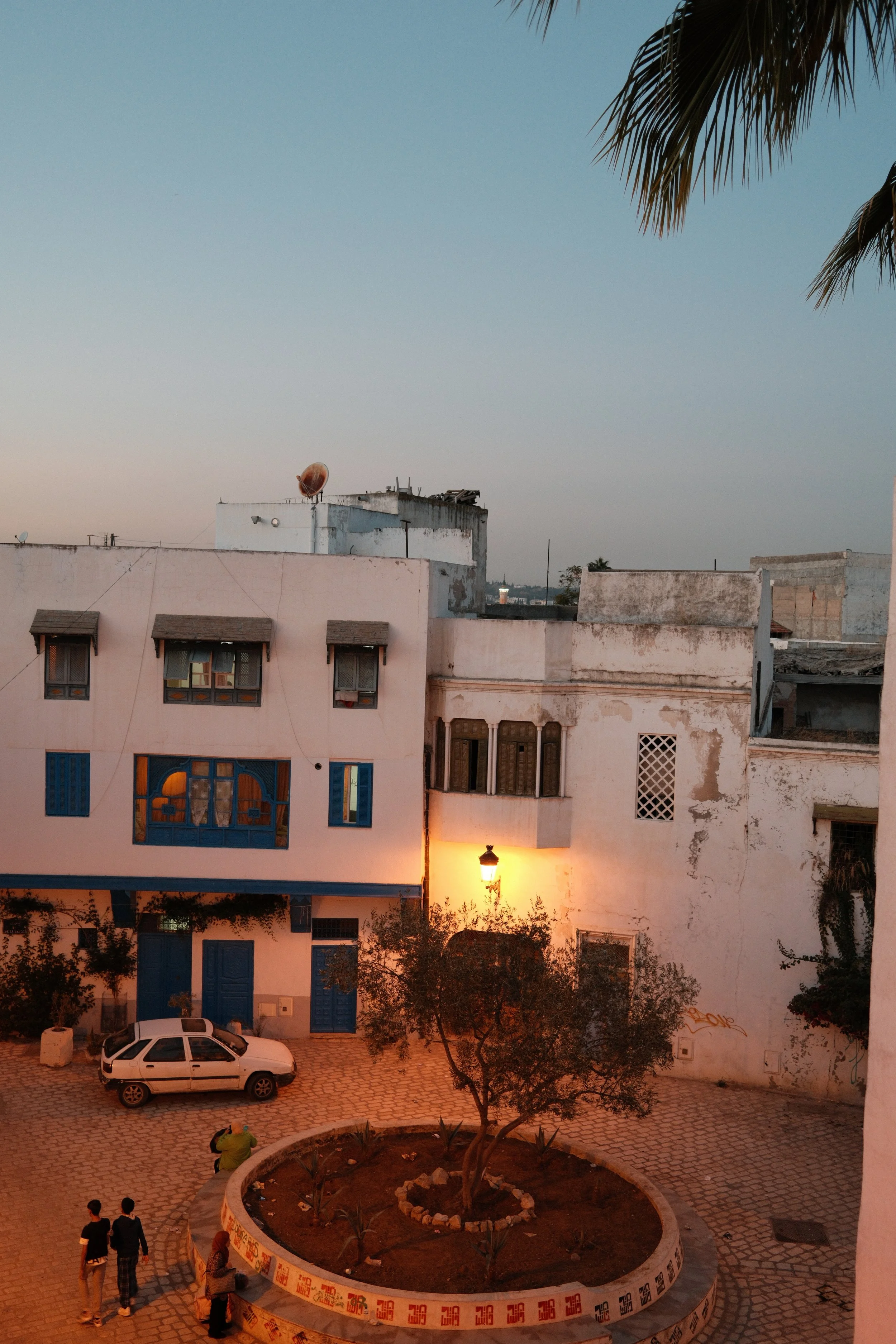
We then stayed at Dar Ben Gacem, a beautifully restored dar in the heart of the old medina.
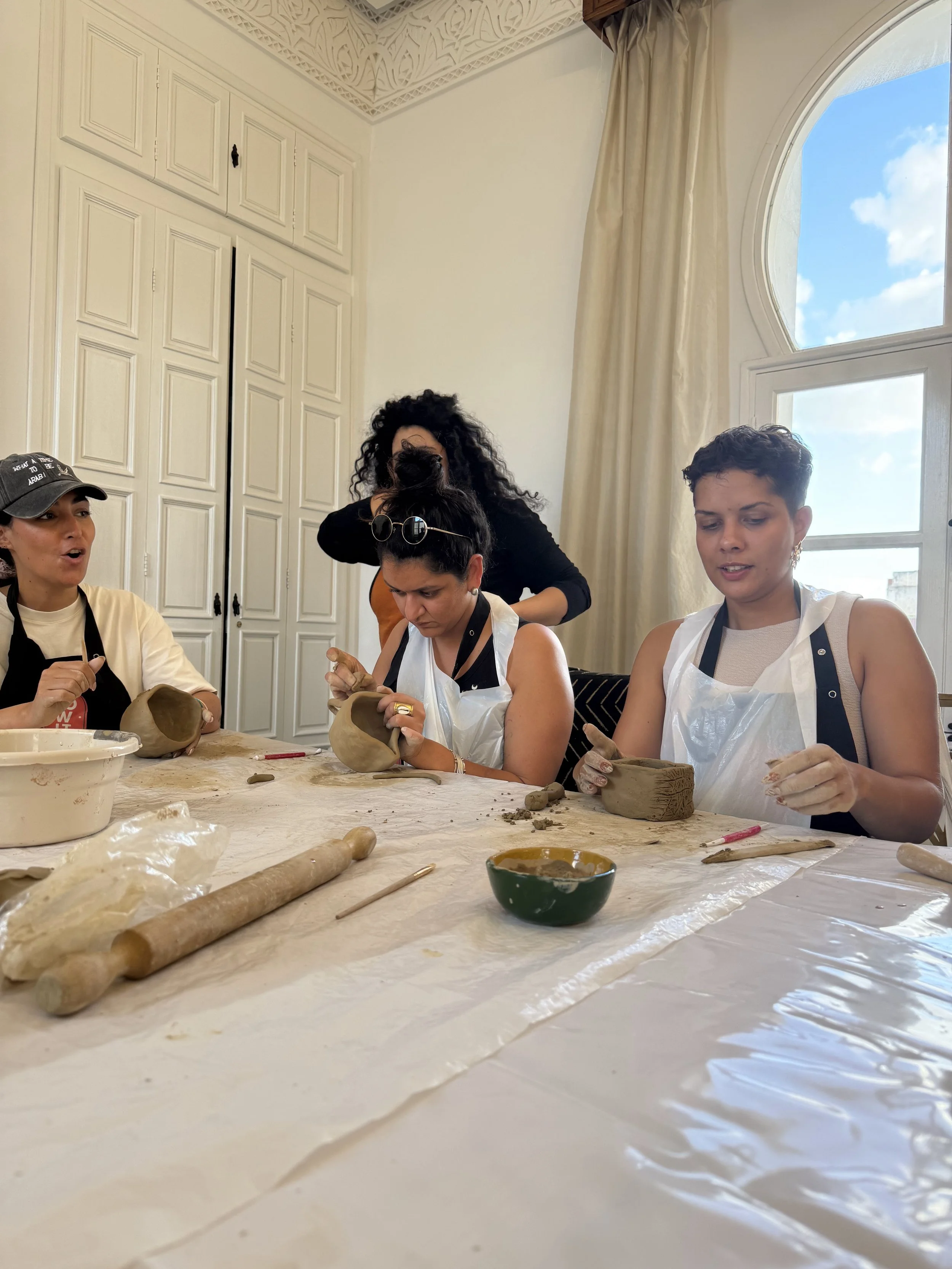
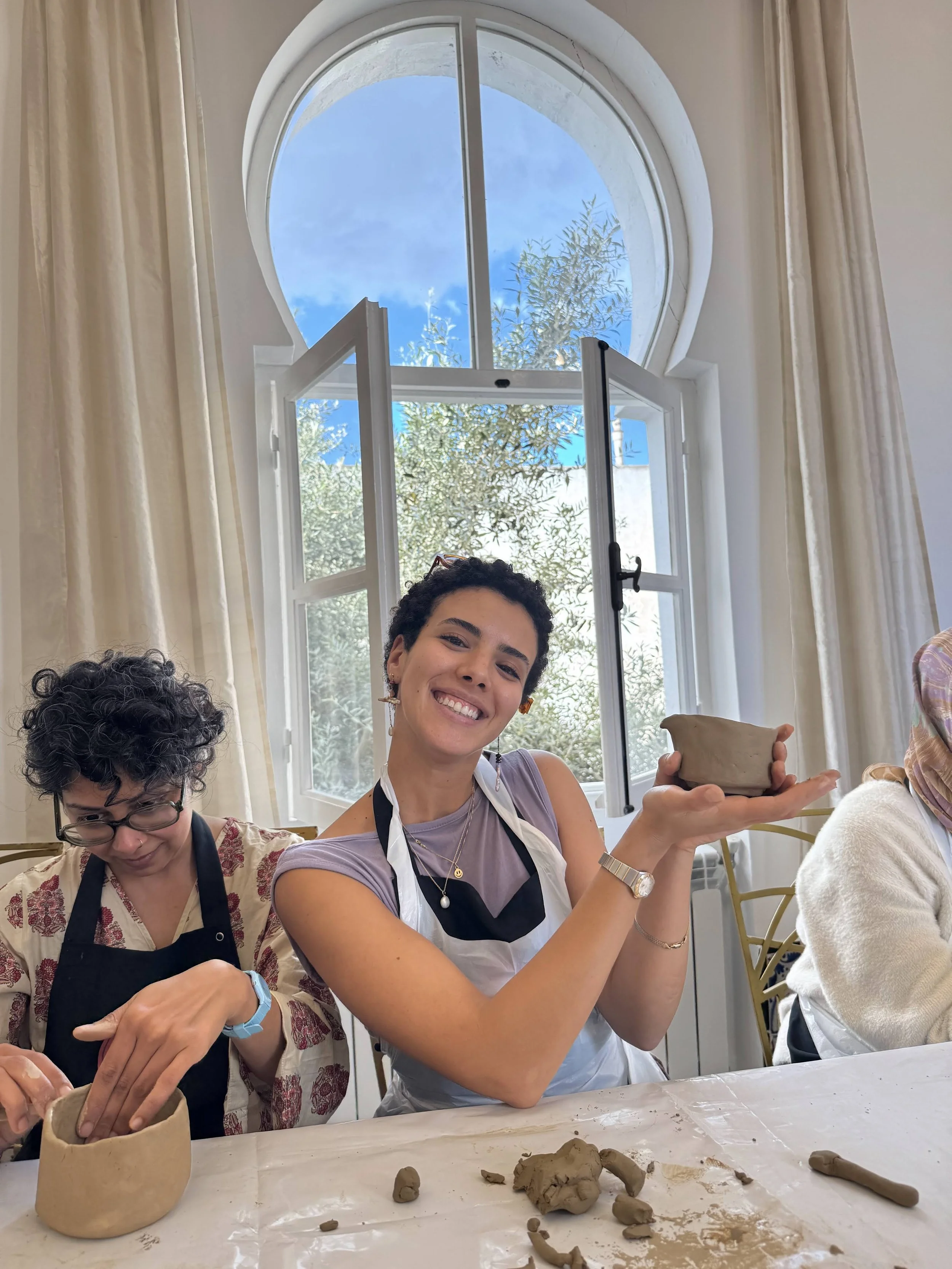
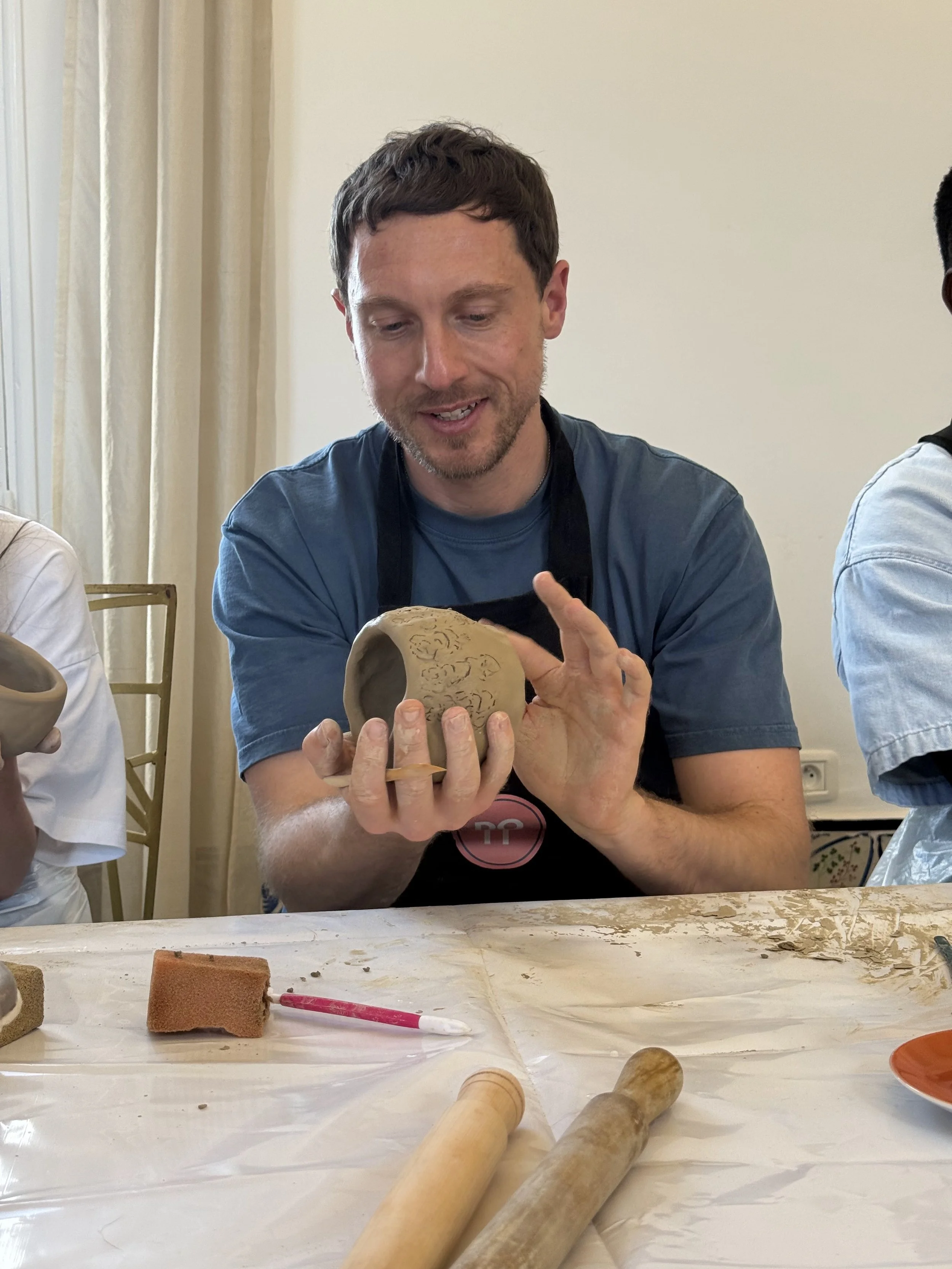
We gathered with Shapers Tunis and Dowit for a hands-on pottery workshop
❋
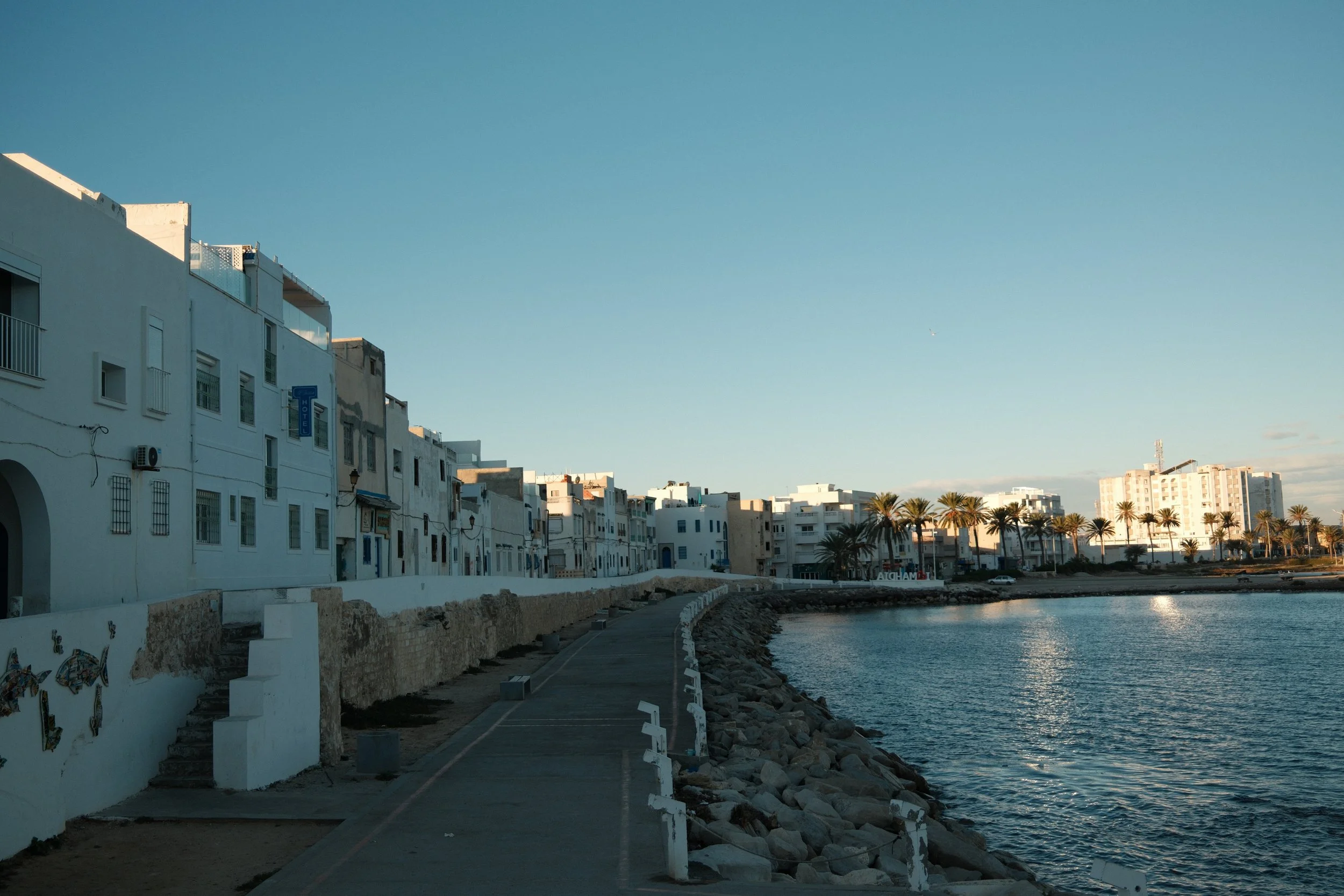
Part 2: Mahdia
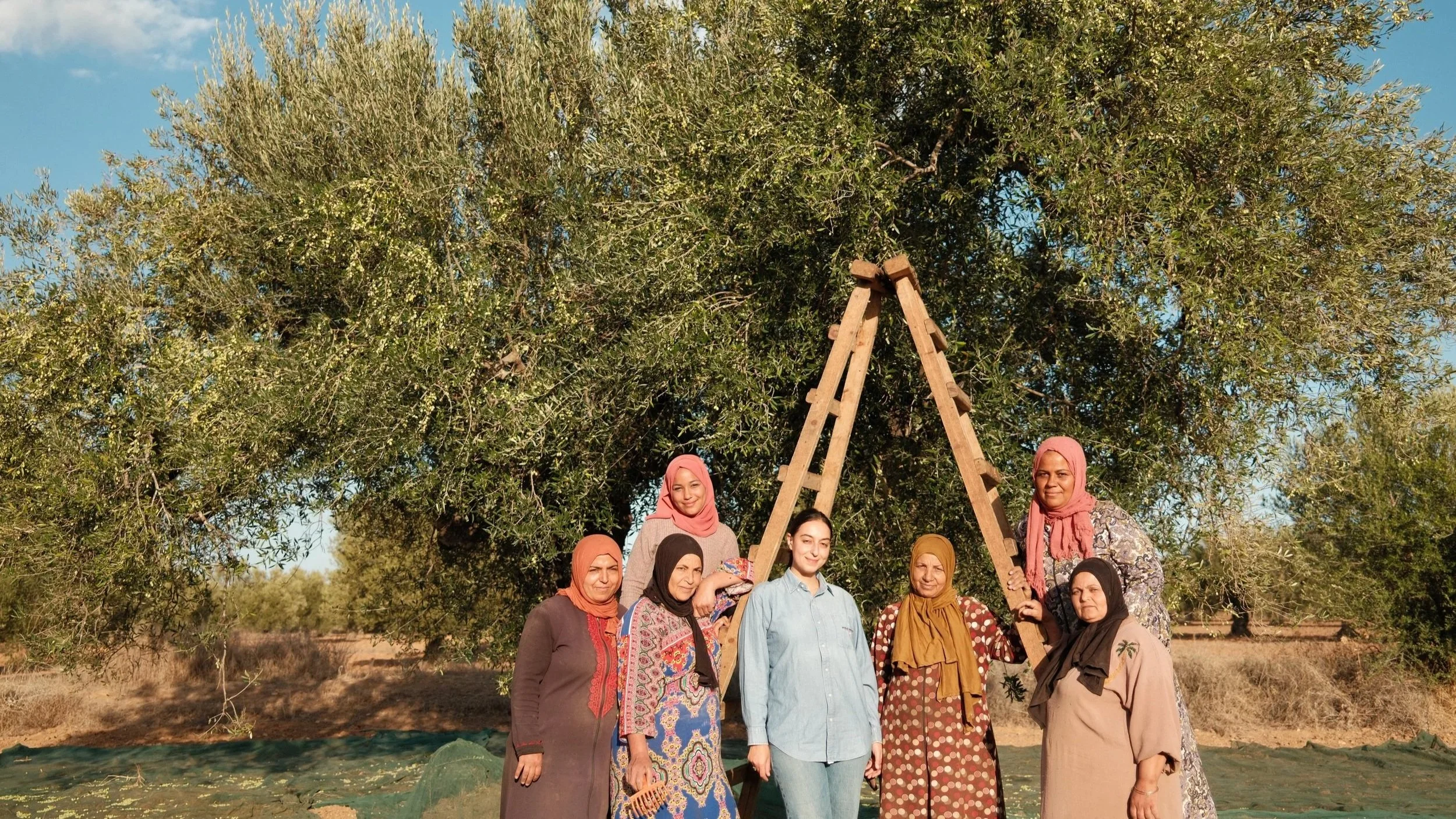
We travelled south to an olive farm run by Kaia, founded by Sarah Ben Romdane, a local producer preserving traditional olive oil practices with extraordinary care and generosity.
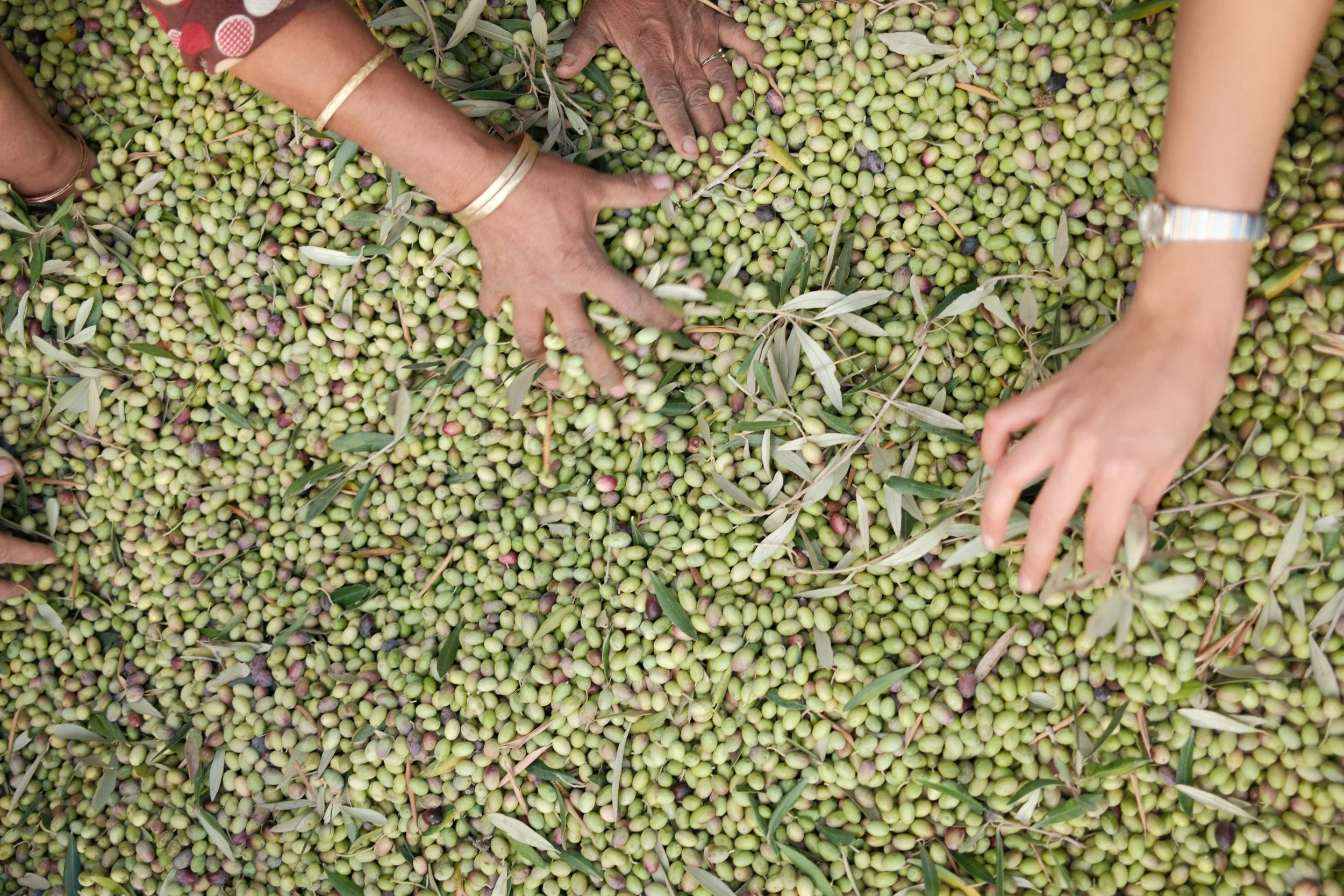
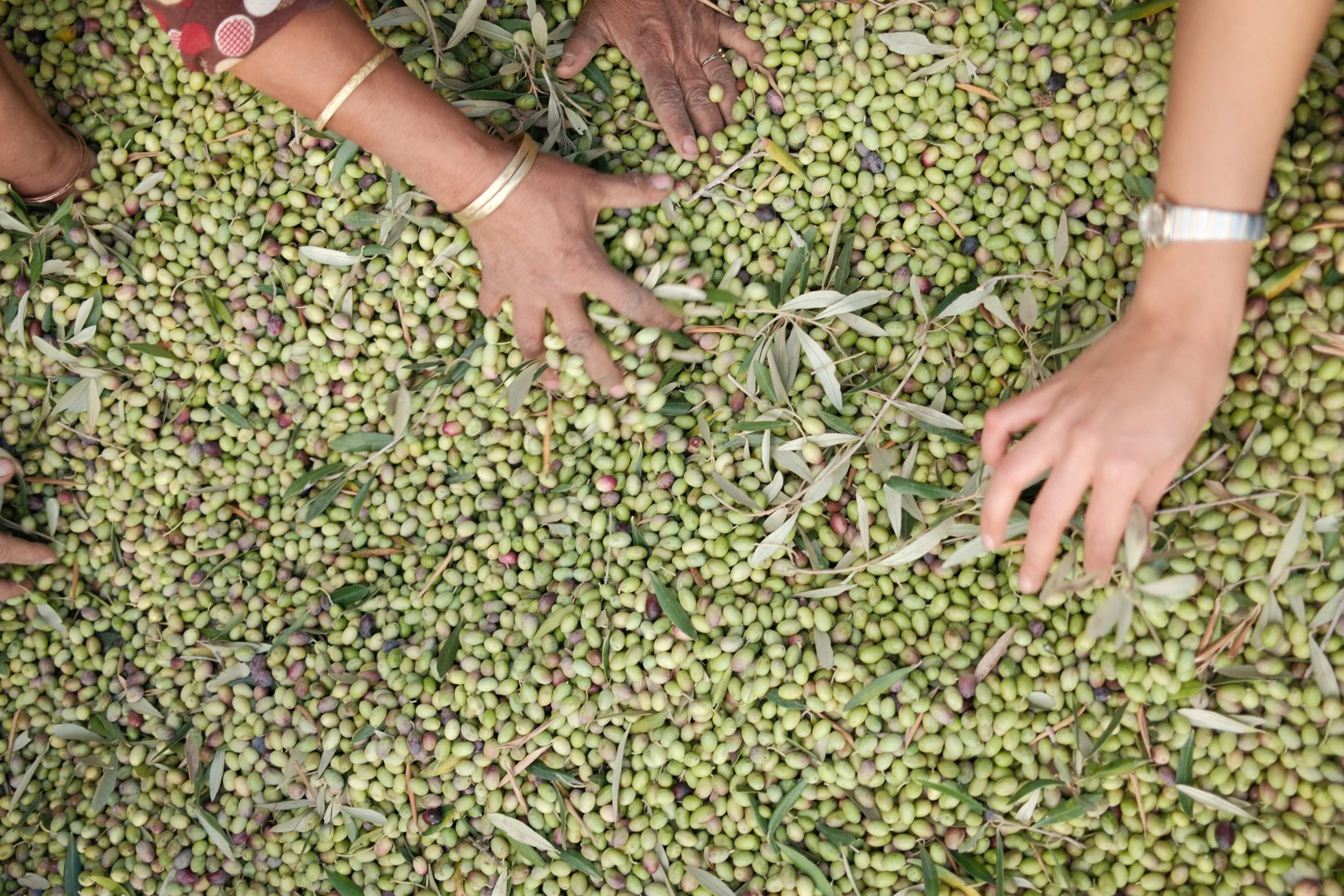
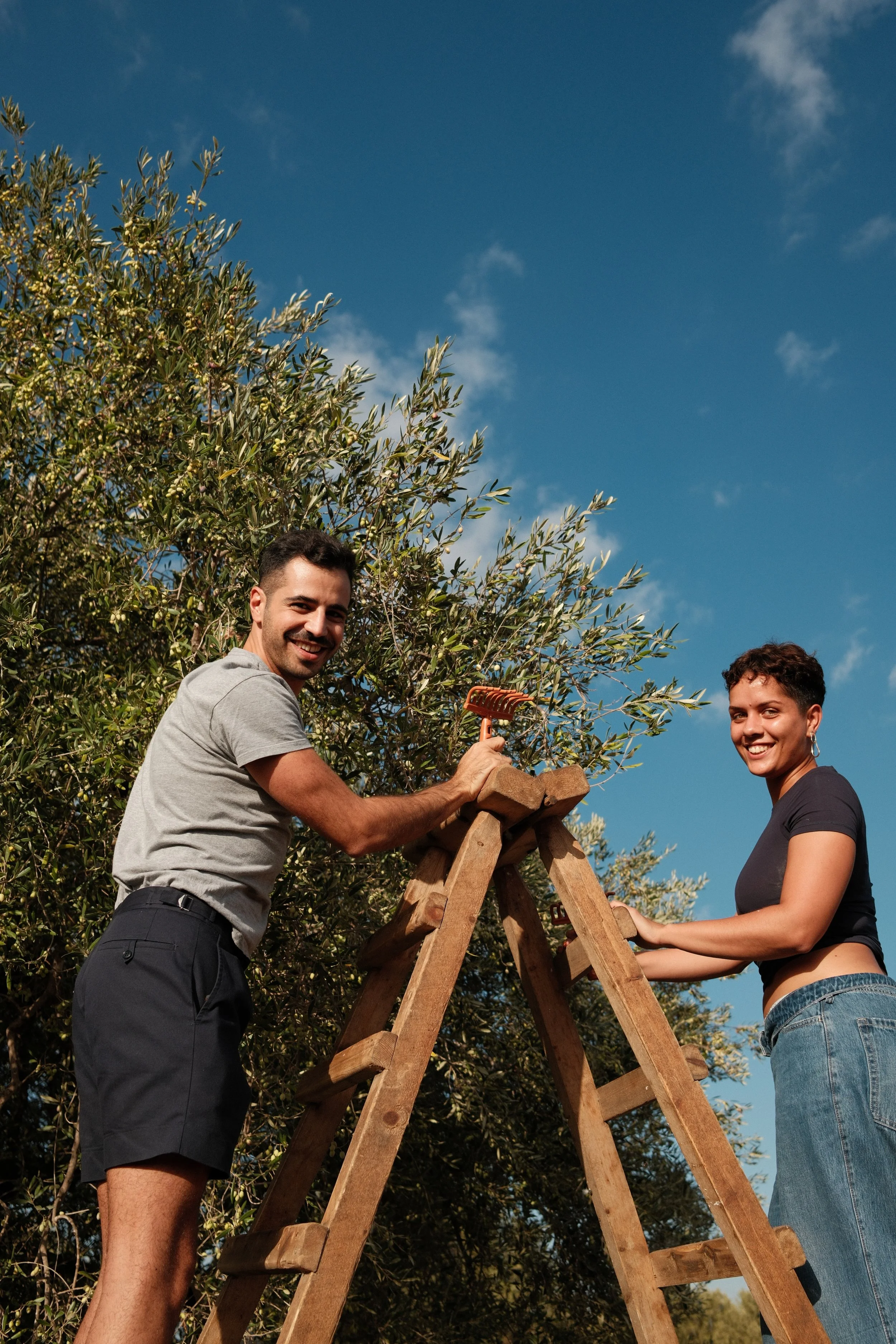
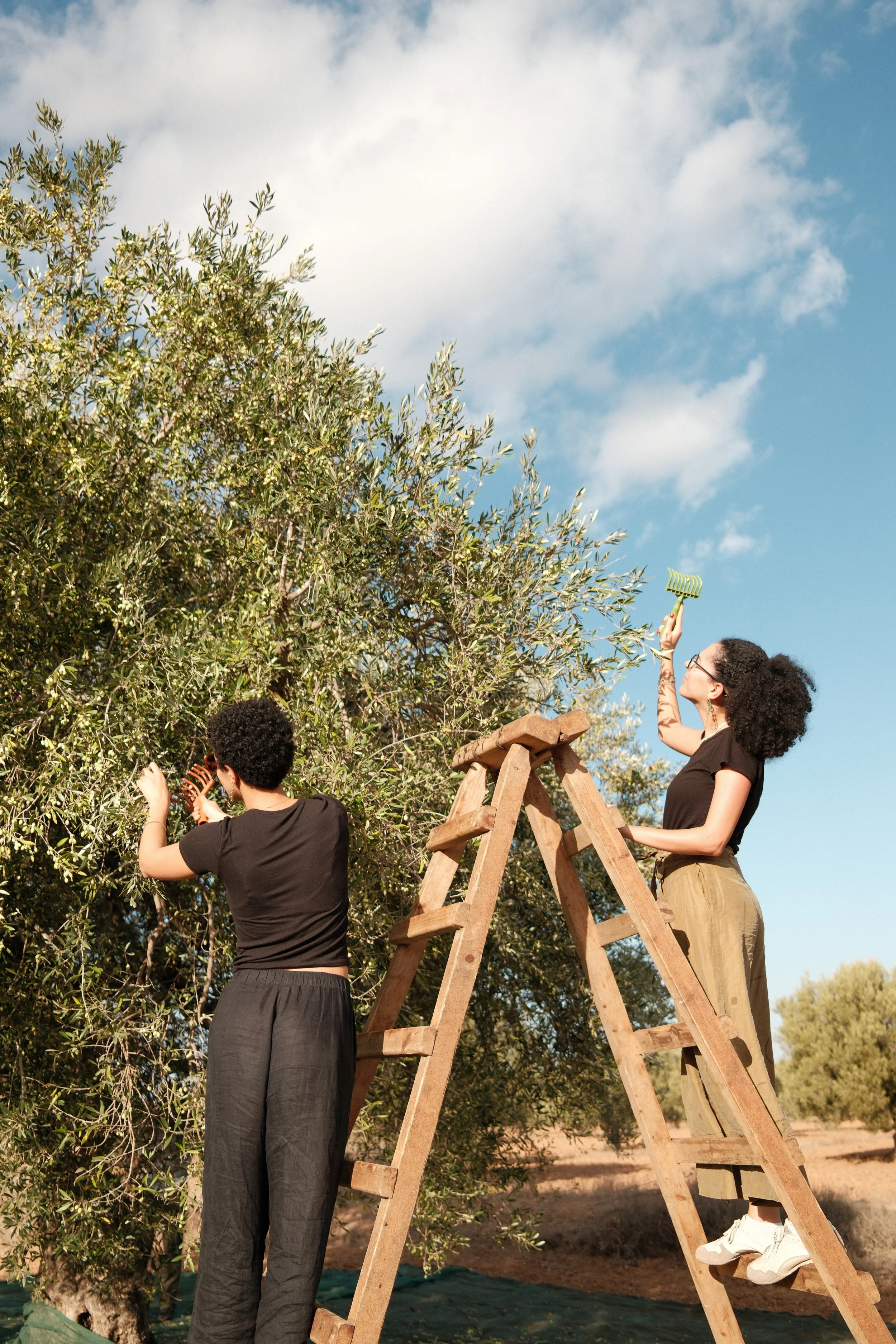
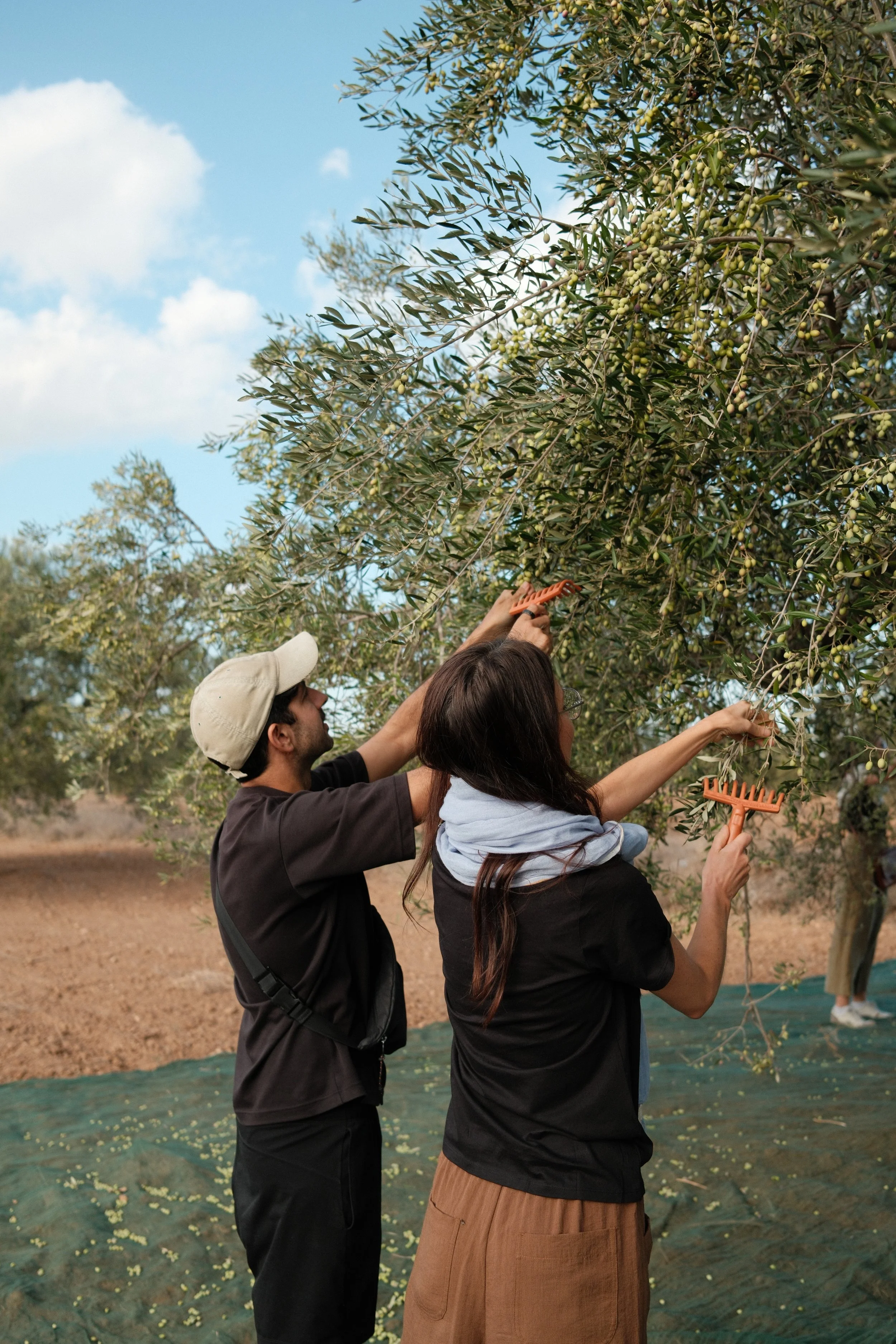
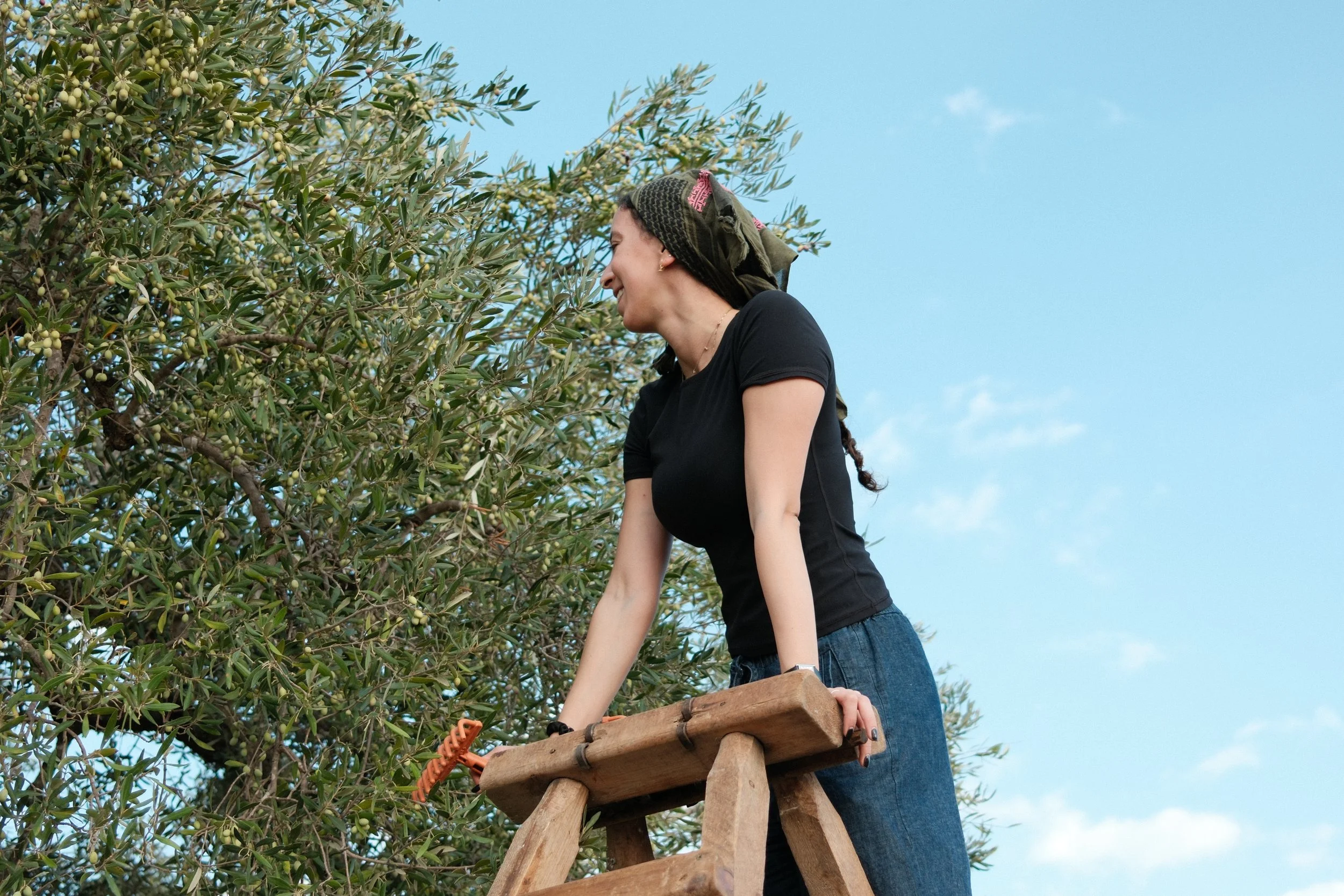
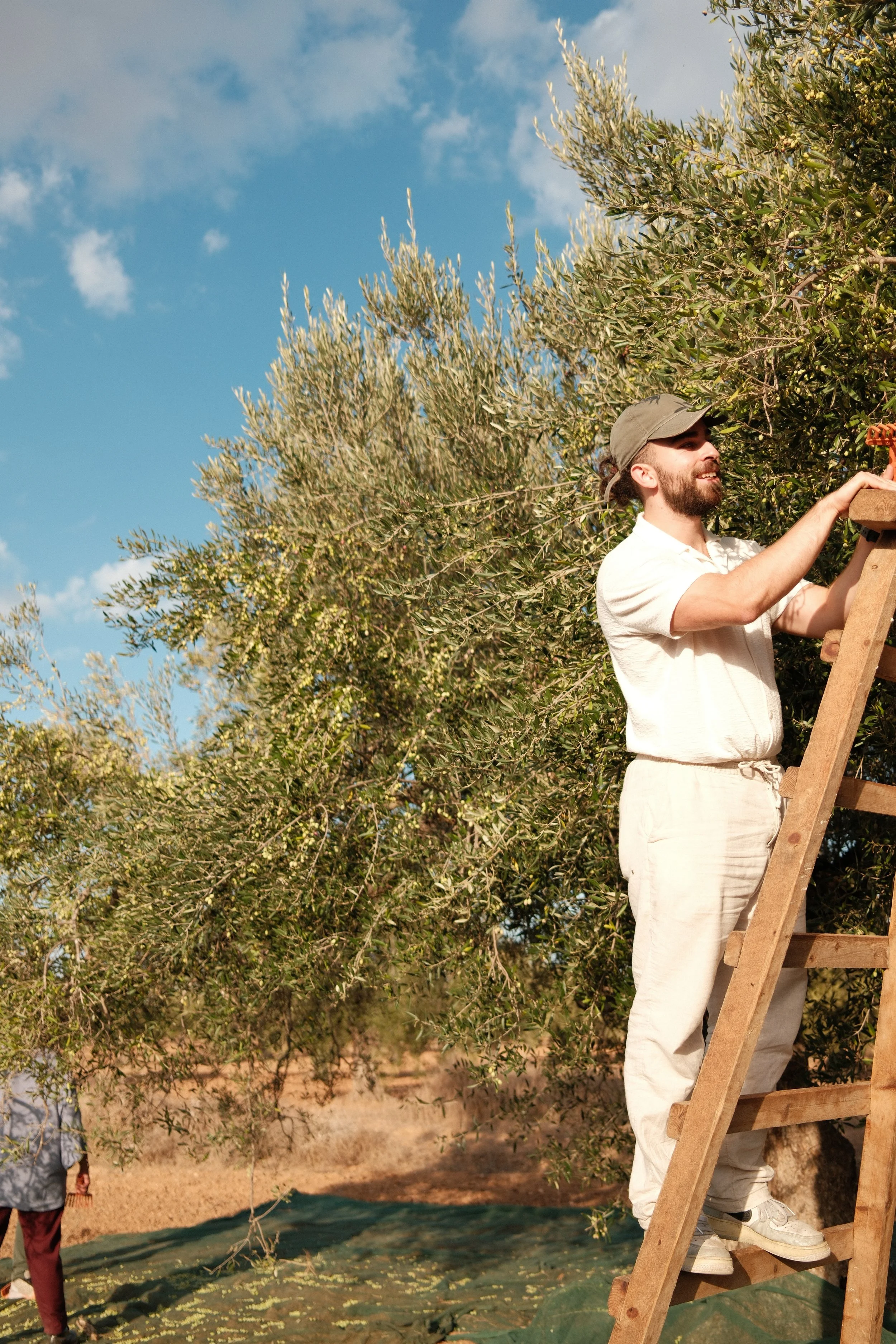
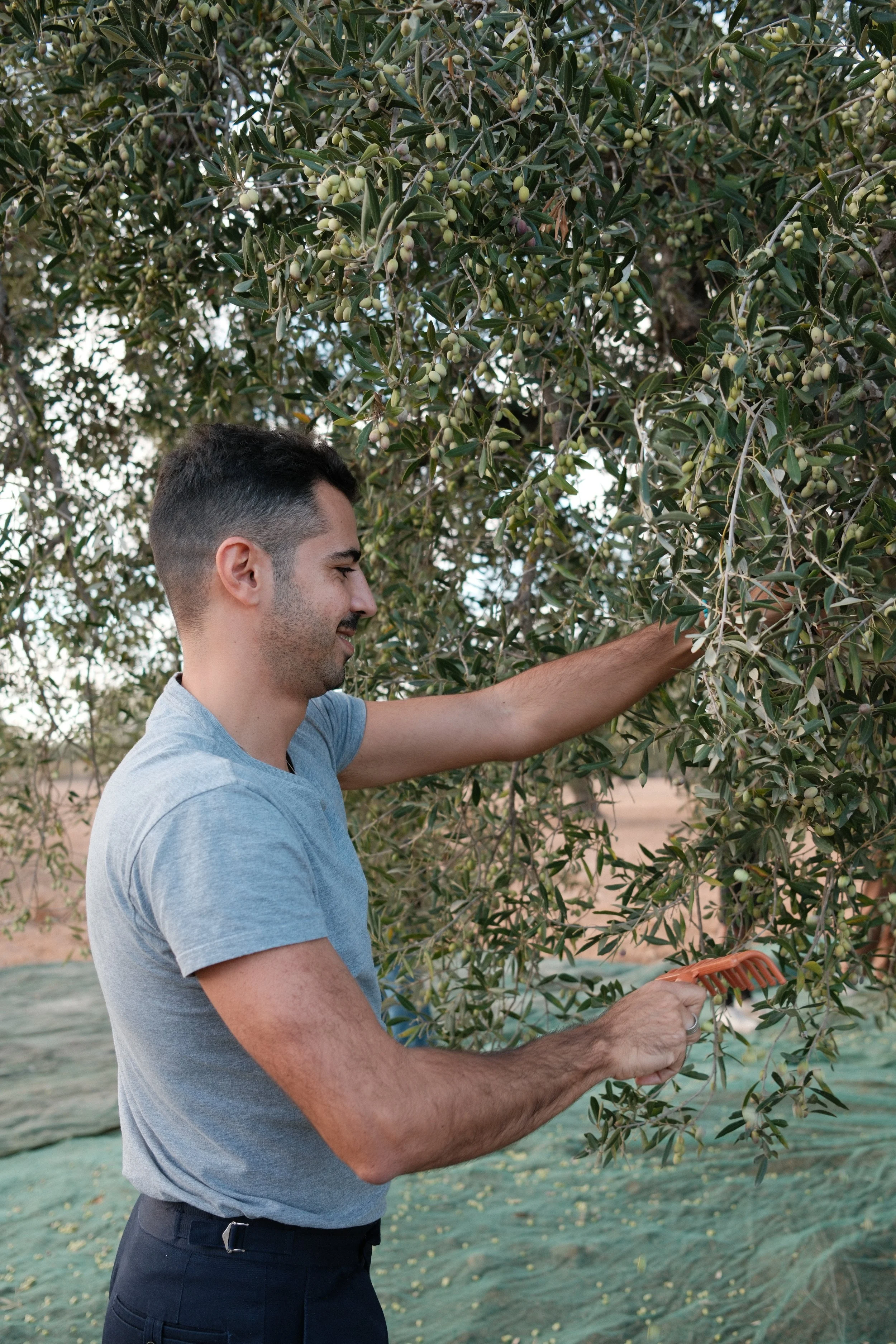
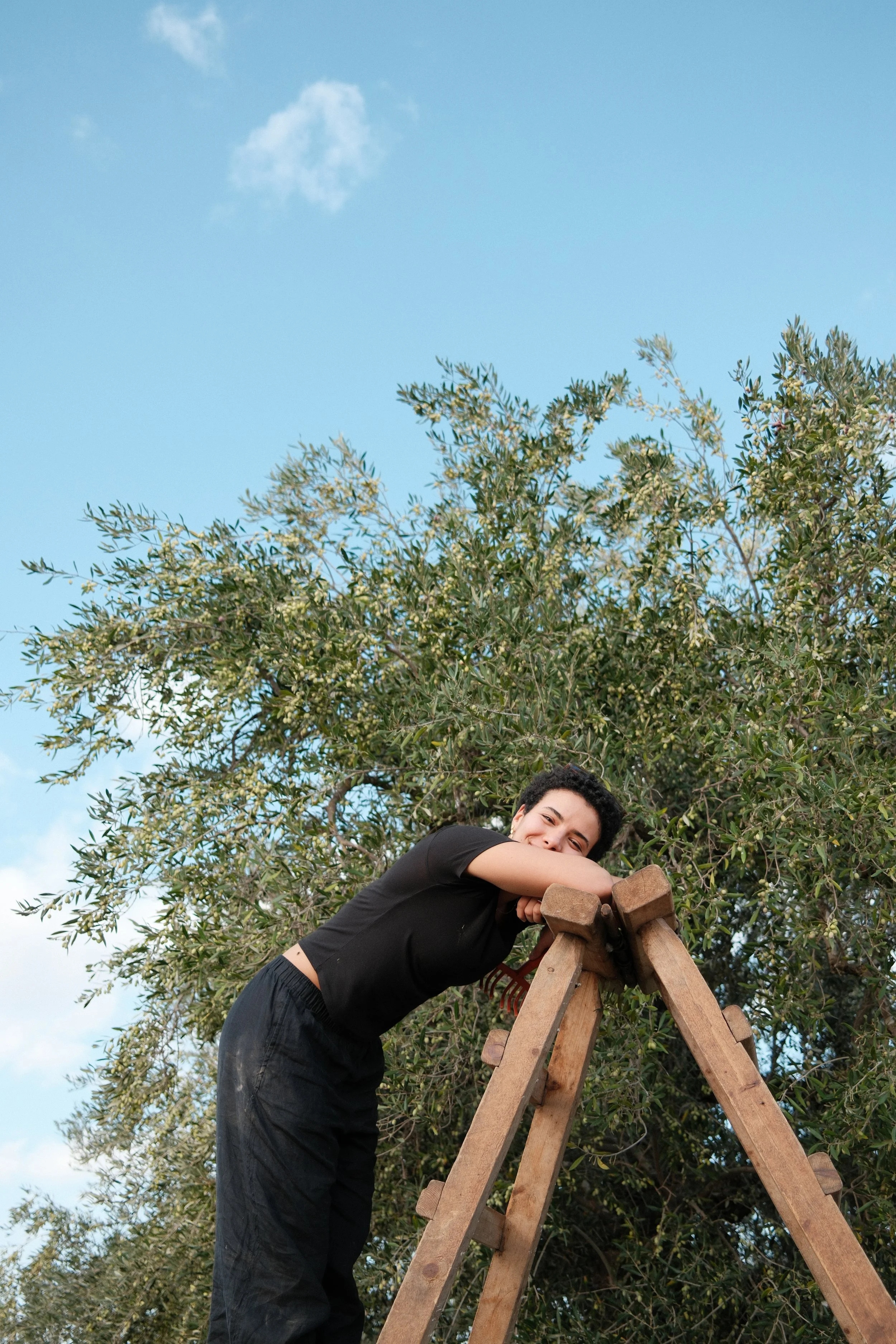
We then went into the groves, rakes in hand. We joined the local women and learnt about the harvest cycle: the patience it demands, the timing it requires. We combed the branches and watched the olives fall.
The question we'd been asking all week ‘How can we decolonise our food?’ suddenly had soil under its fingernails.
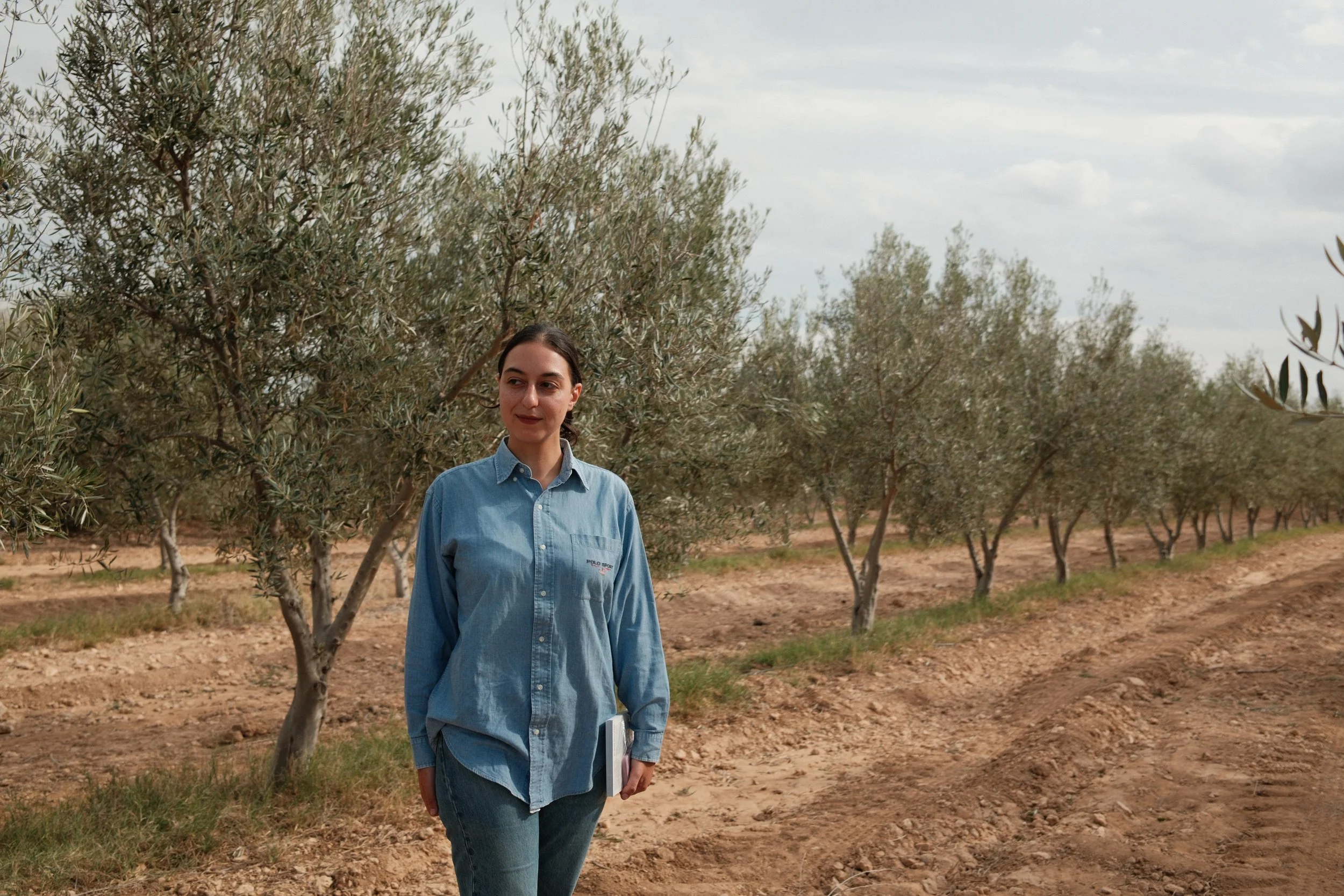
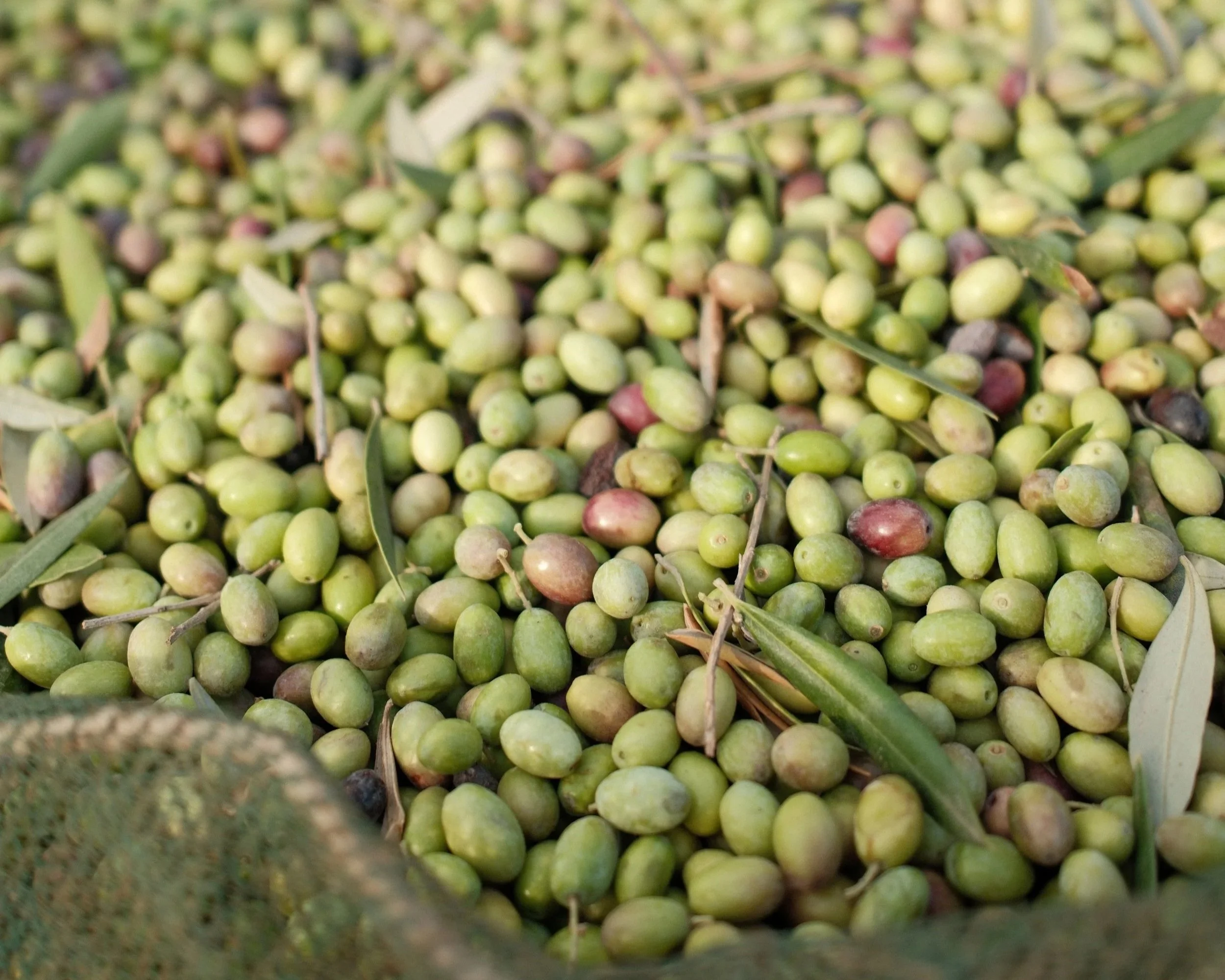
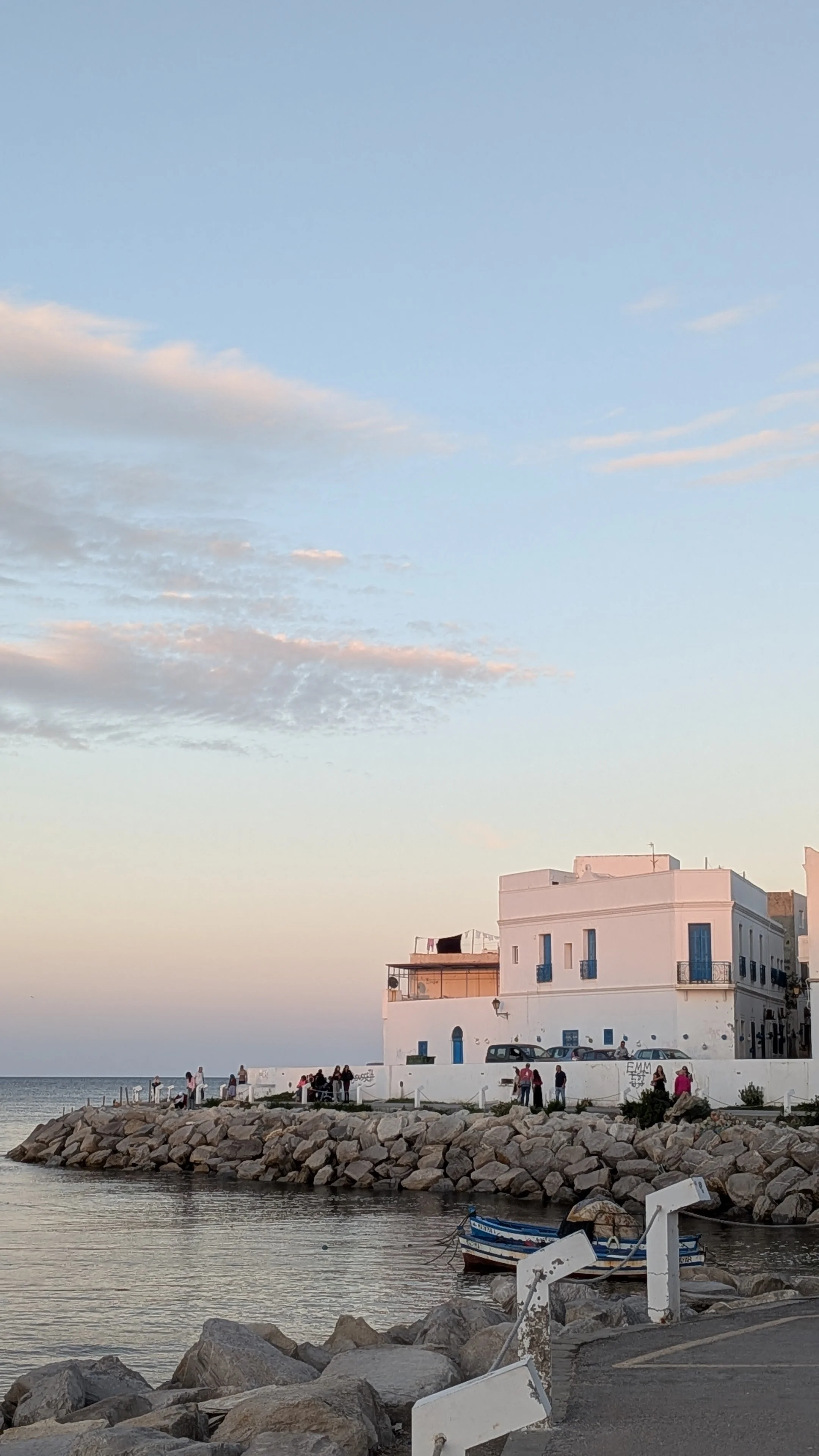
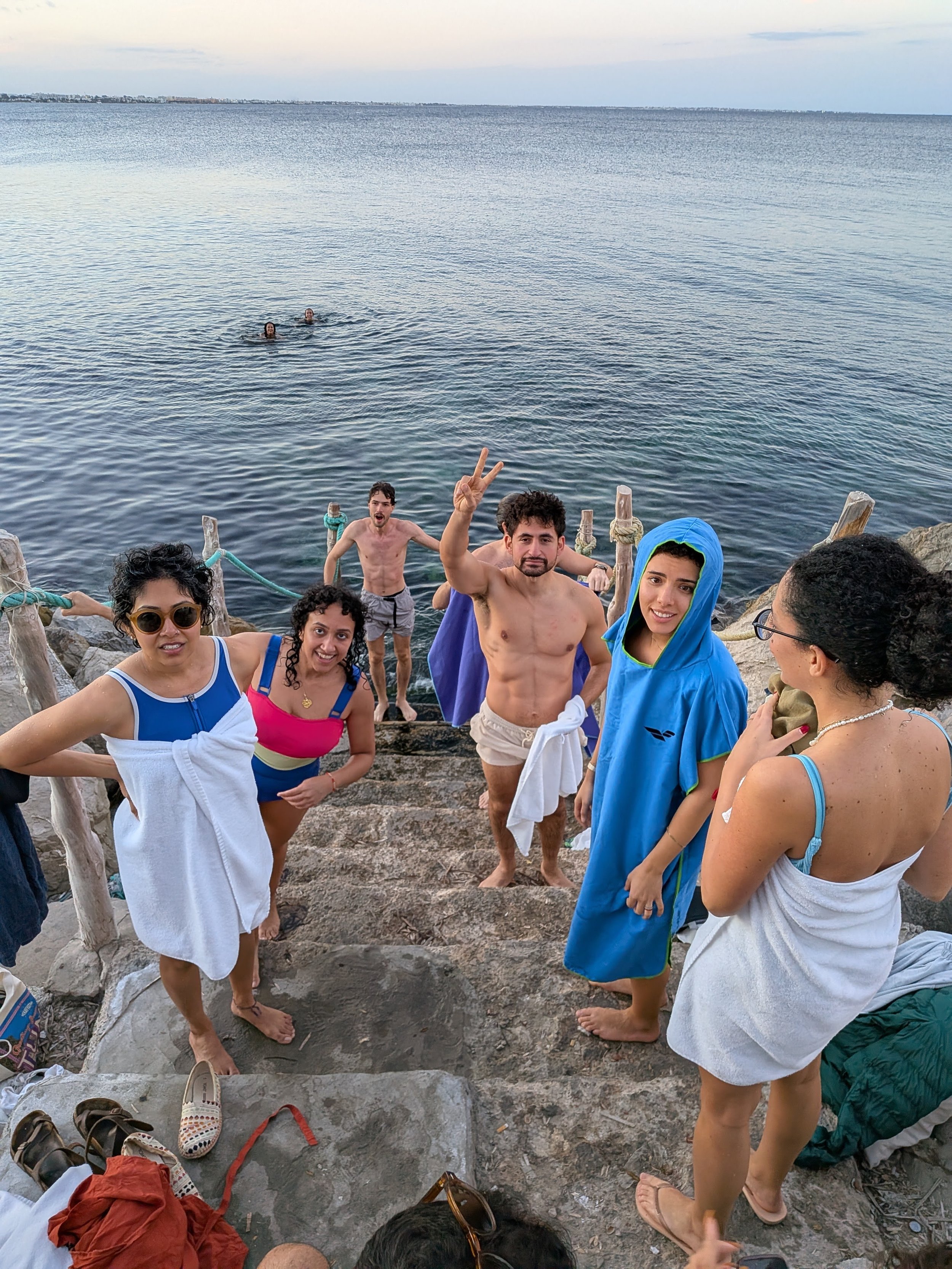
We wrapped up with a sunset swim in the Mediterranean and a reflection dinner to close the trip.
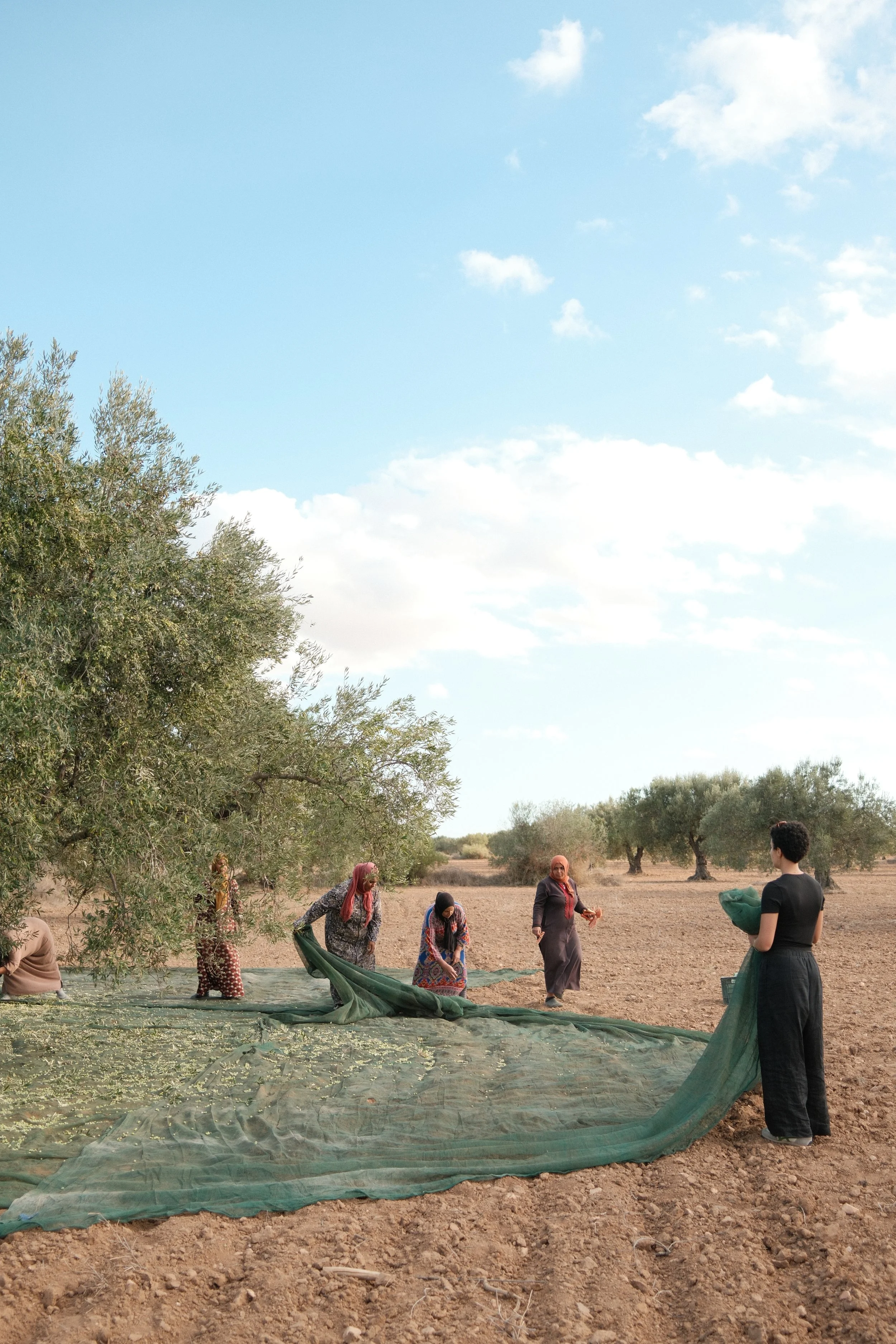
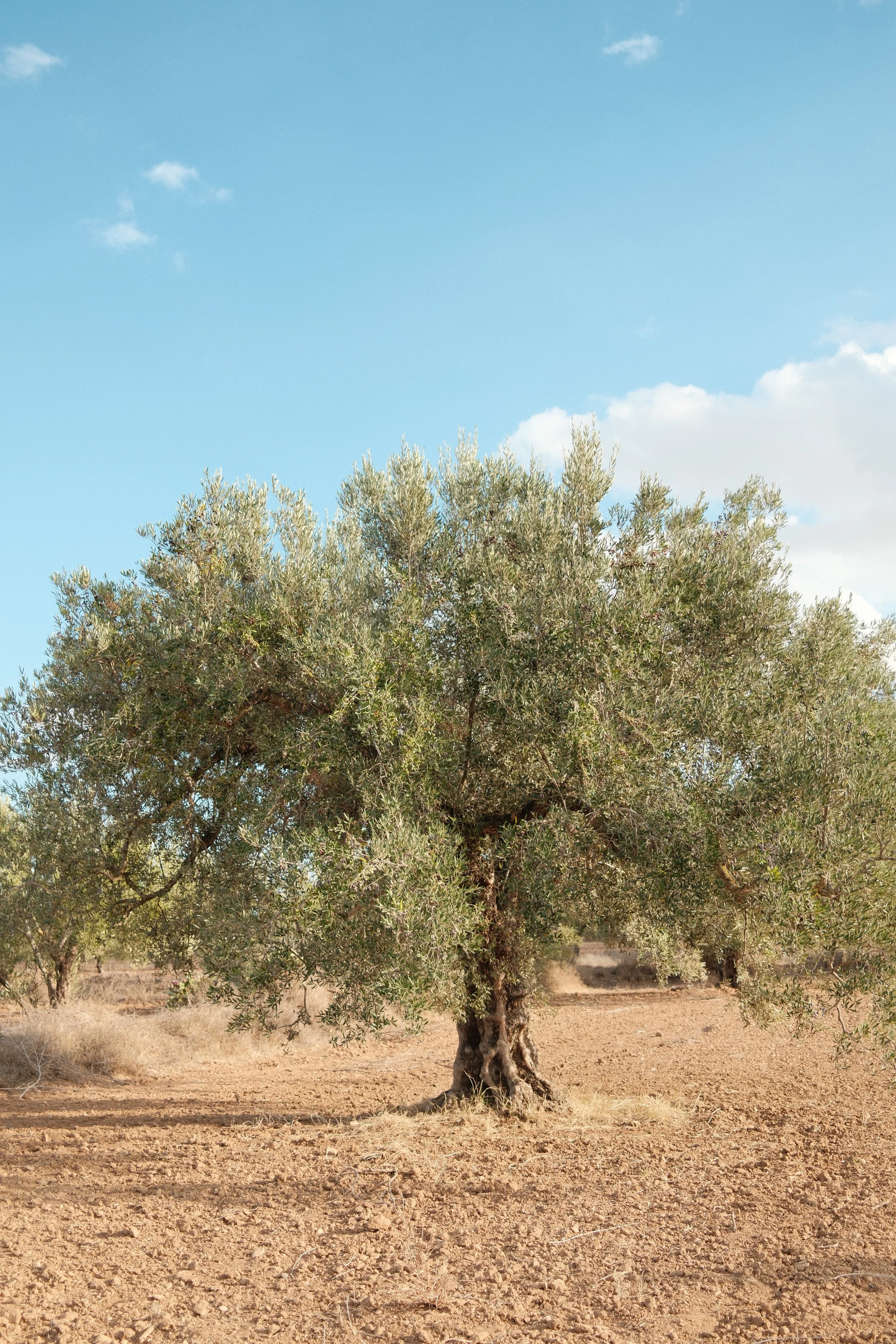
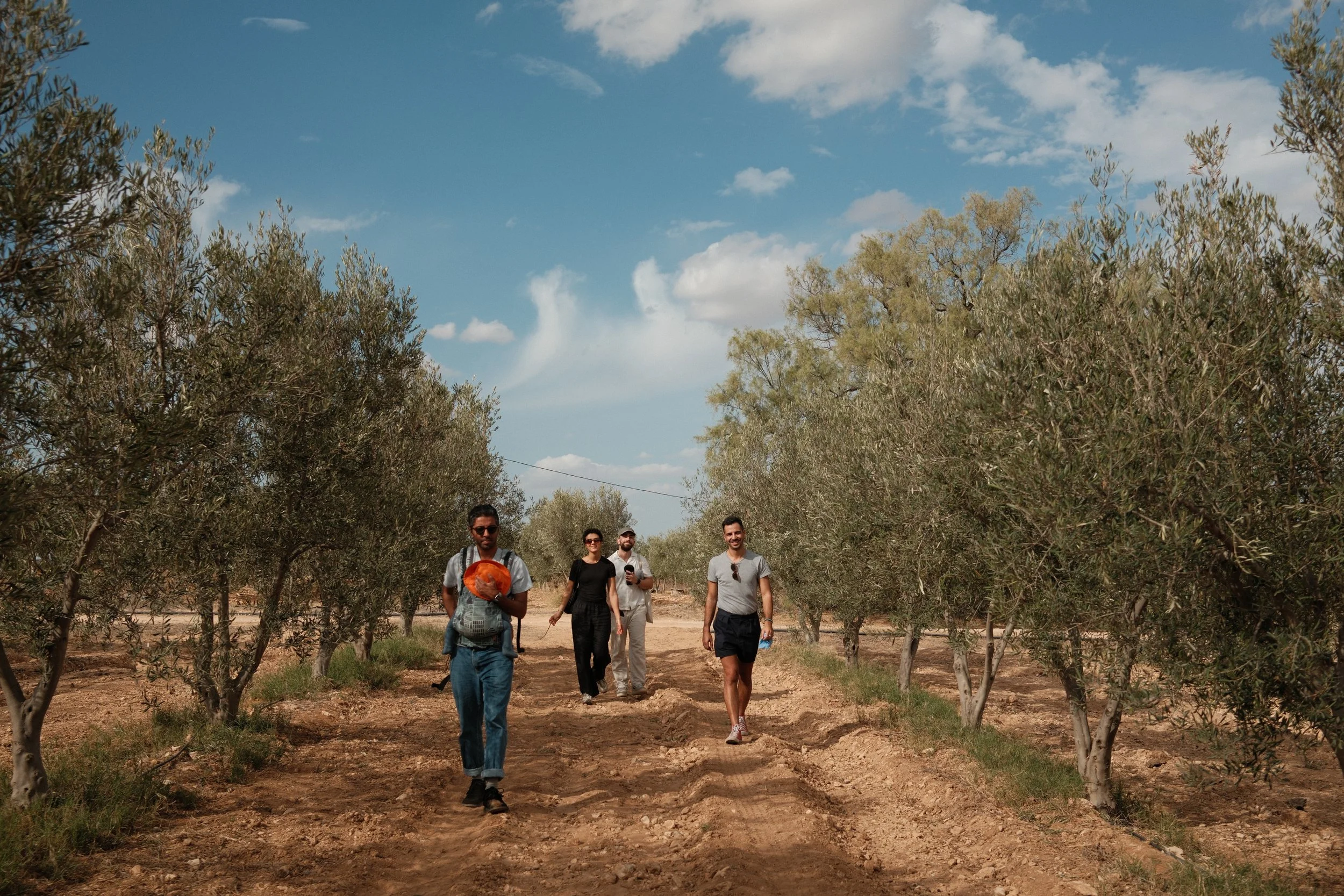
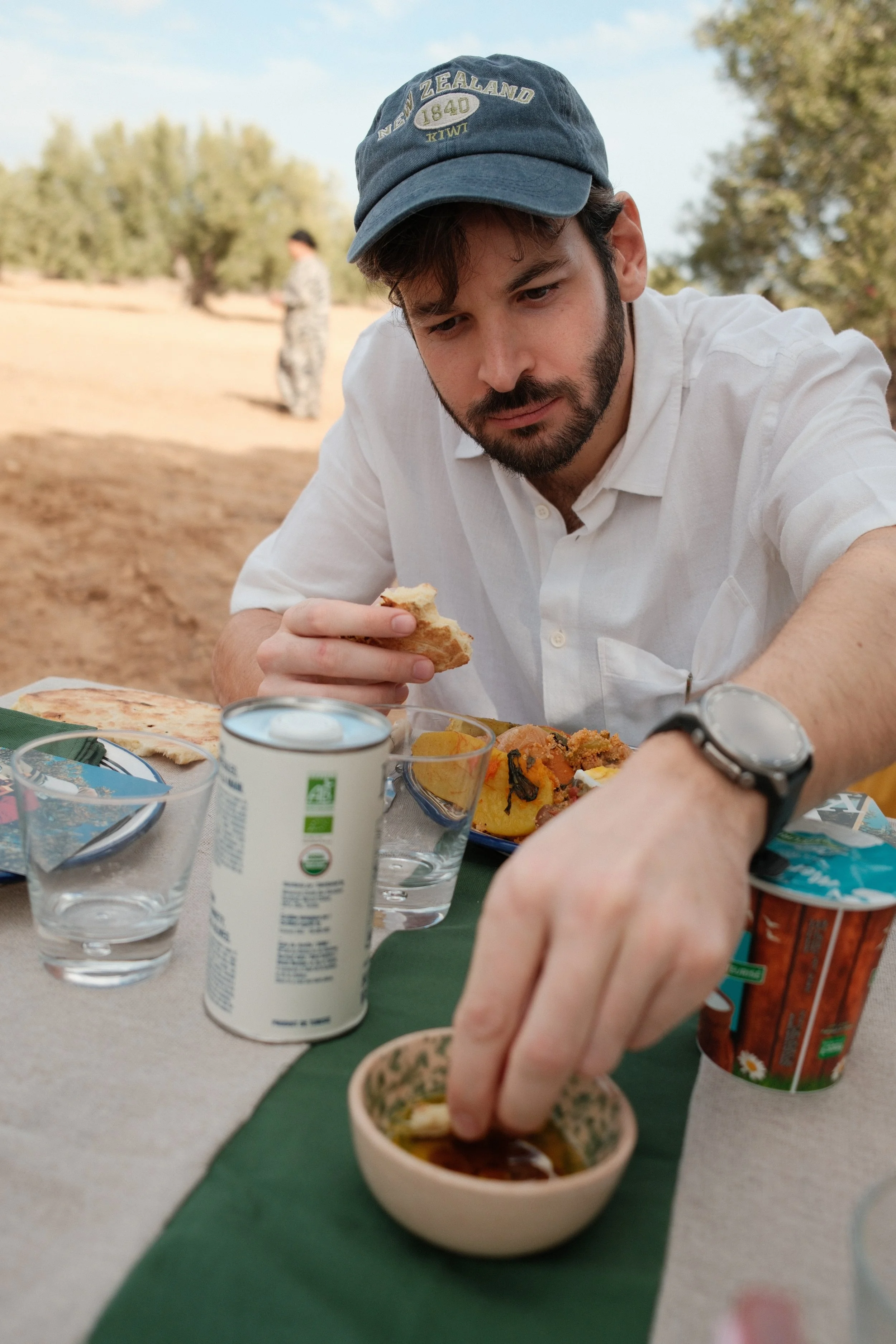
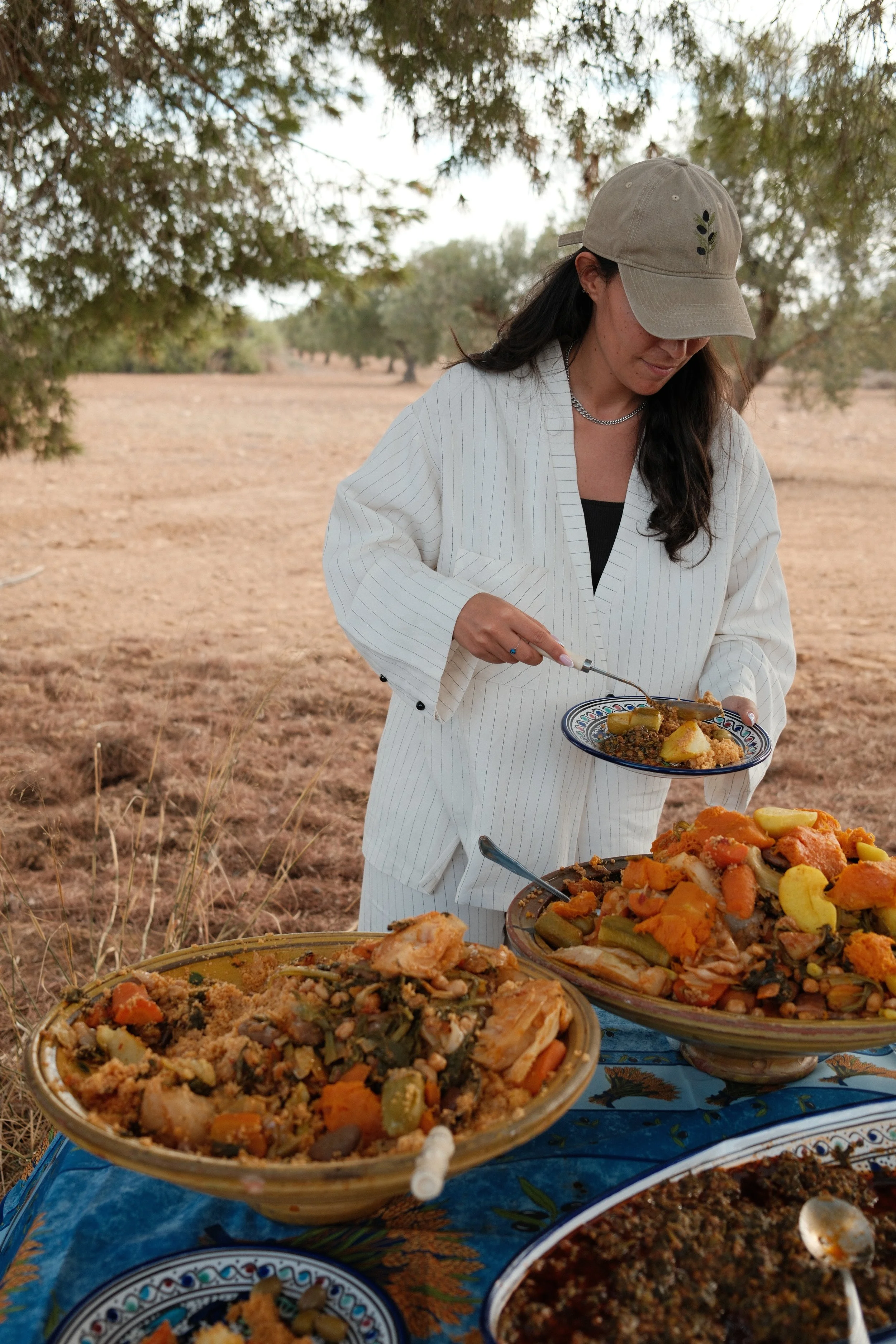
We had the most serene & delicious lunch on the farm where we learnt about harvesting techniques.
Bringing stories to life is our bread and butter. But we've learnt that when people walk inside a story, it becomes something bigger: a shared memory, a community… and a new story altogether.
In 2023, Zeina Dowidar made an audio documentary about decolonising food and Tunisian olive oil. Most stories like that get honoured with a listening party (at most).
So we wanted to do something different … to bring this story to life by taking our community to it. To the farm. To the trees. To the women with the rakes.
That instinct is at the heart of Hekayyatna: mapping knowledge through the body (through taste, touch, conversation, and connection).
When you harvest olives with the people who have always harvested them, the question of food sovereignty stops being abstract… it becomes something you've held in your hands.